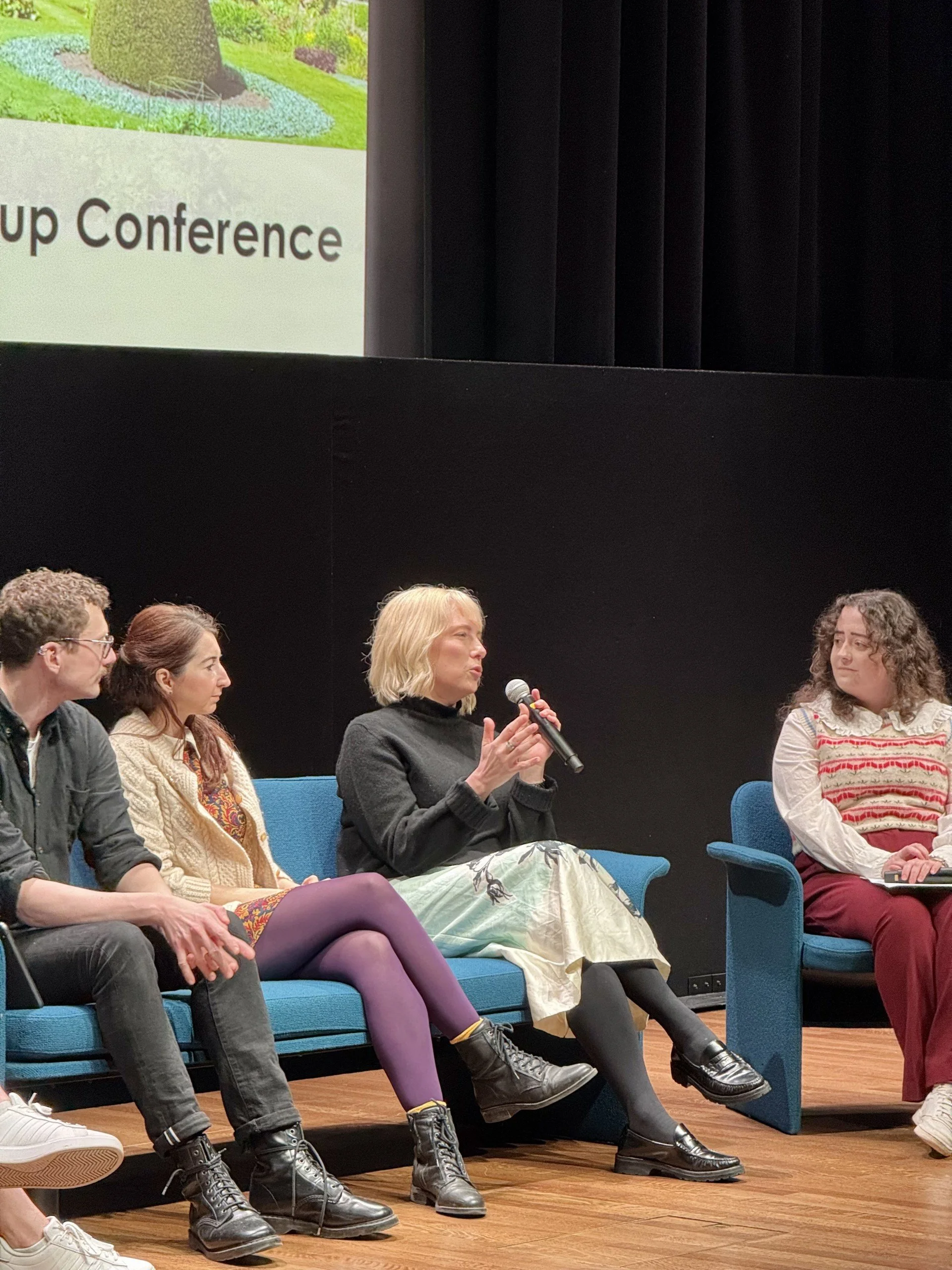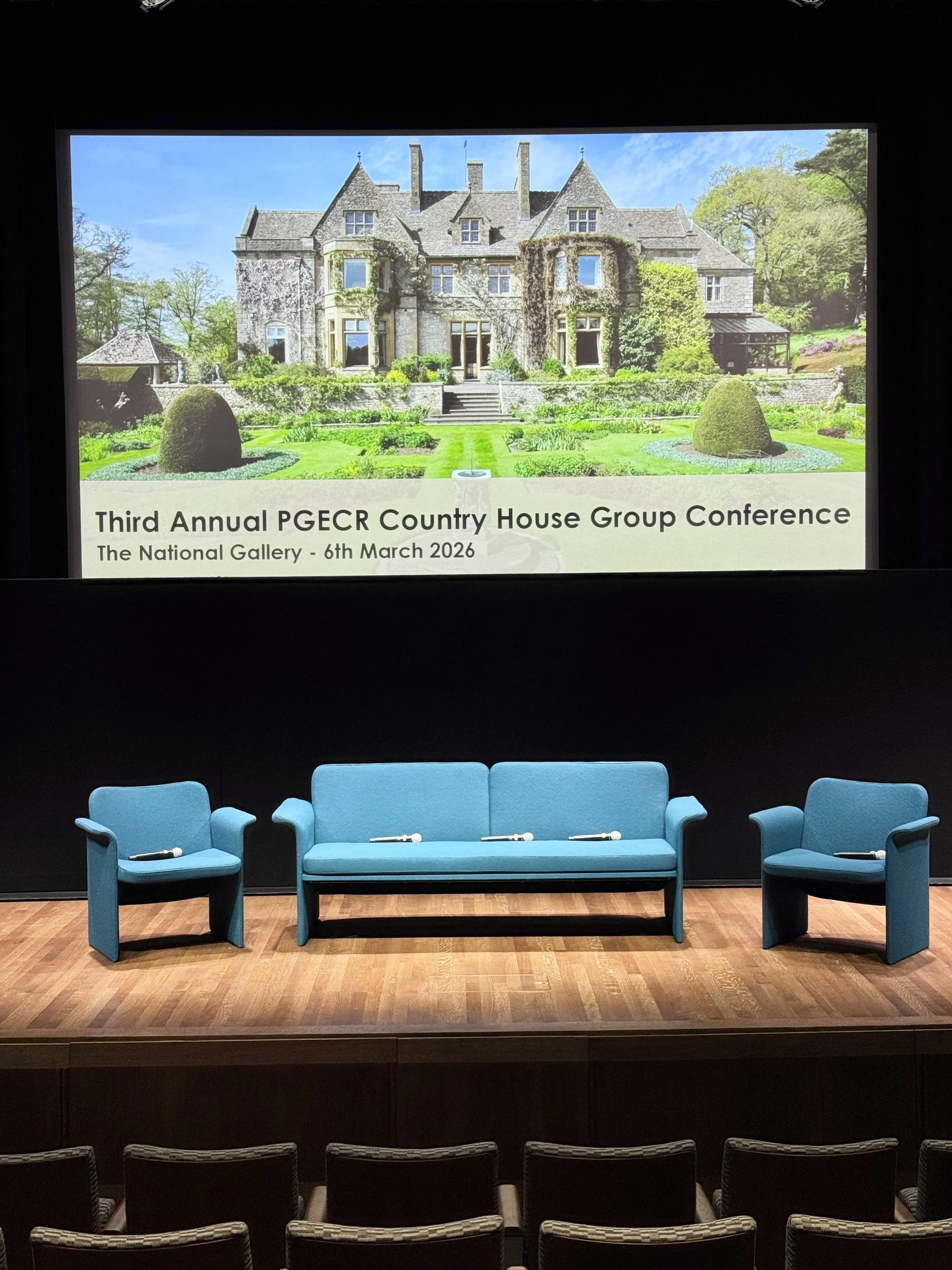
We were incredibly privileged to collaborate with The National Gallery’s new research department to hold our third annual conference in The National Gallery’s main lecture theatre on the 6th March 2026. We were able to invite some members of The National Gallery Subject Specialist Network who are art experts working in UK museums, galleries and historic houses, as well as having representatives from The National Trust, English Heritage, The Attingtham Trust and The Paul Mellon Centre. So not only was this venue a valuable experience for our speakers in presenting on a stage to a vast room, it was a brilliant networking and knowledge-sharing opportunity for the all PGECR Country House Group members who attended.
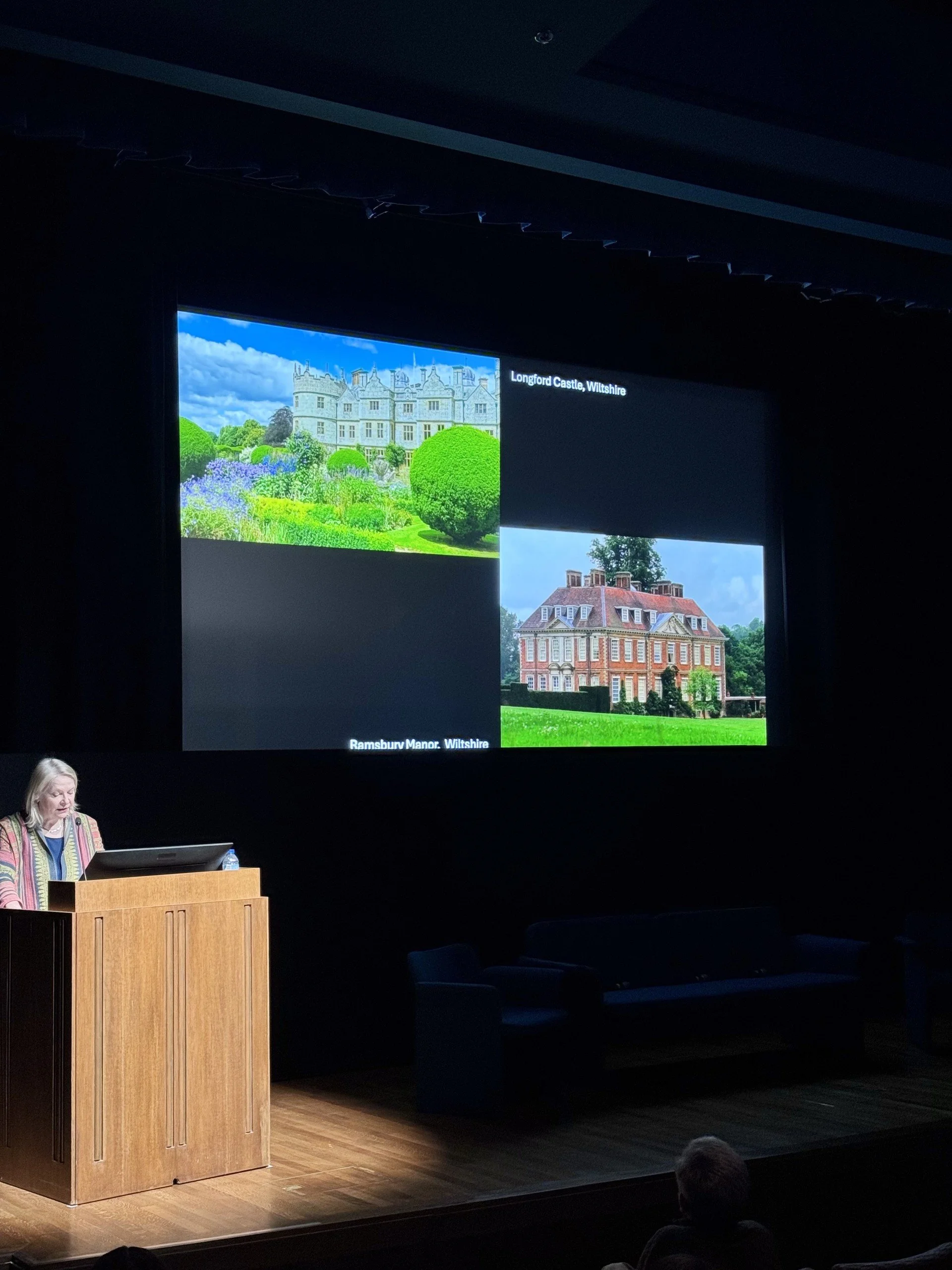
Dr Susanna Avery-Quash giving the keynote speech
The day began with a keynote speech from Dr Susanna Avery-Quash presenting on “The National Gallery and the Country House: Partnerships, Networks and Initiatives Past and Present.” Susanna is Senior Research Lead at the National Gallery, and her insight into the history of The National Gallery’s partnerships with British country houses, as well as intentions for the future was fascinating.
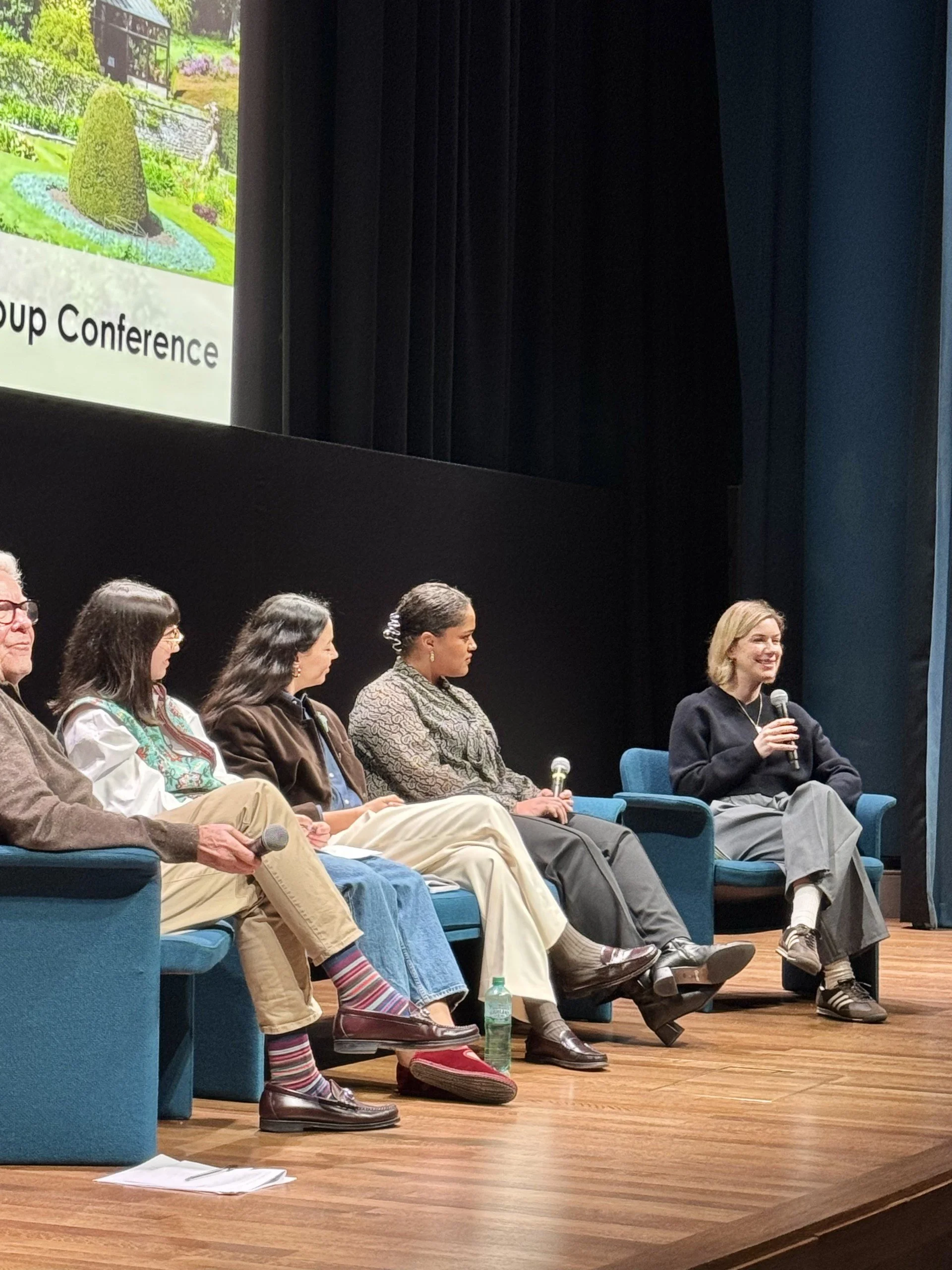
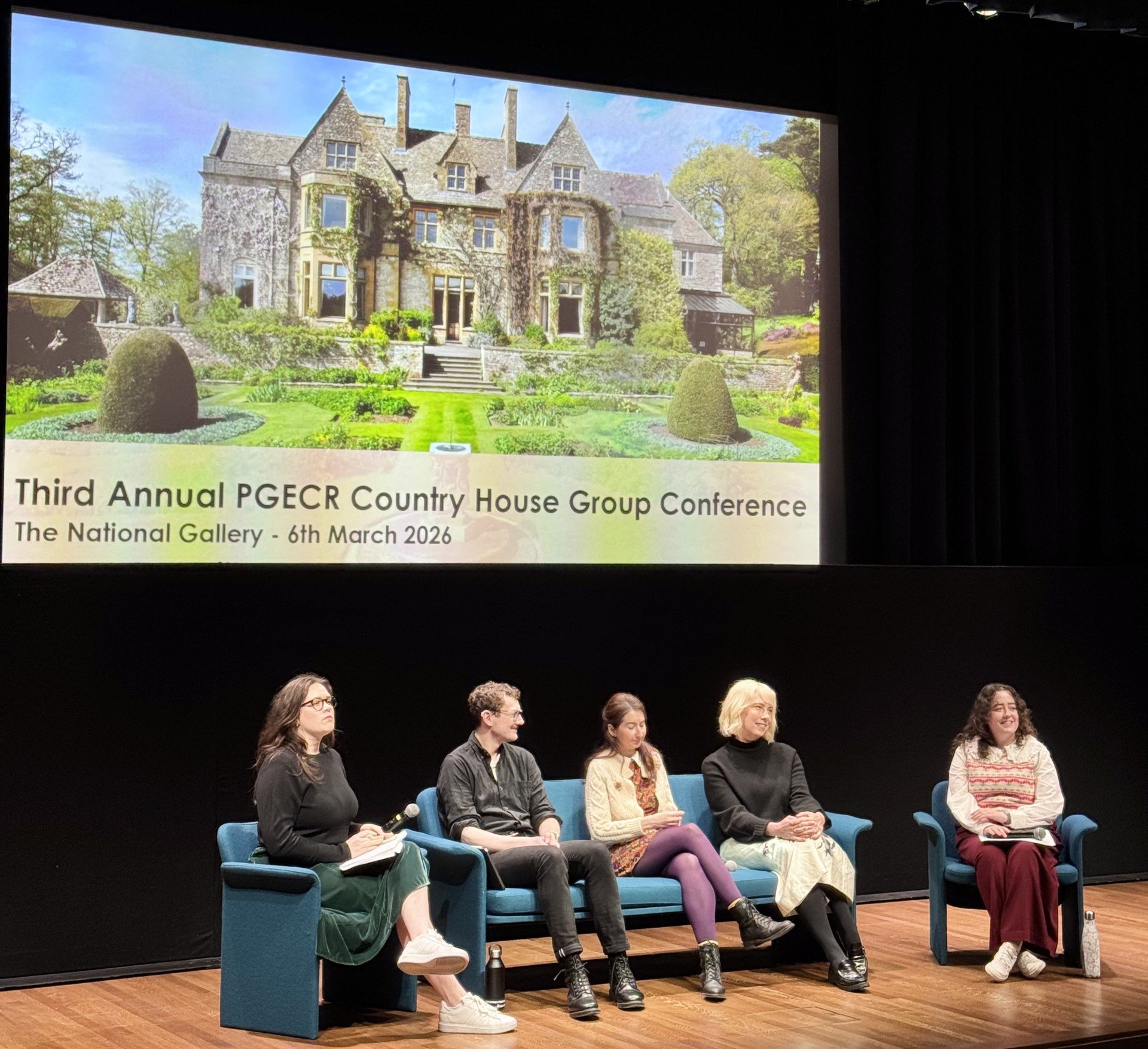
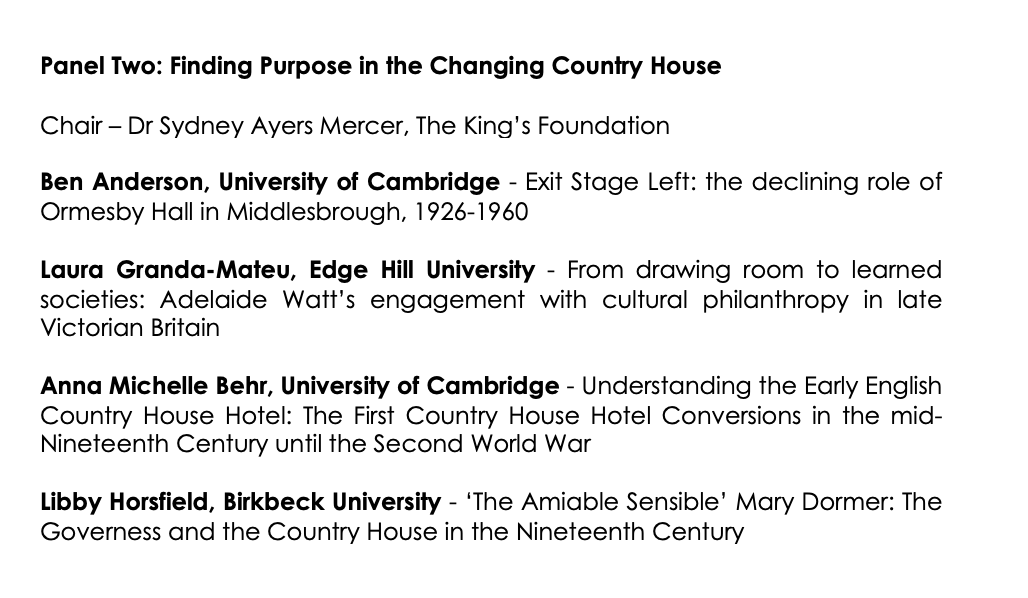
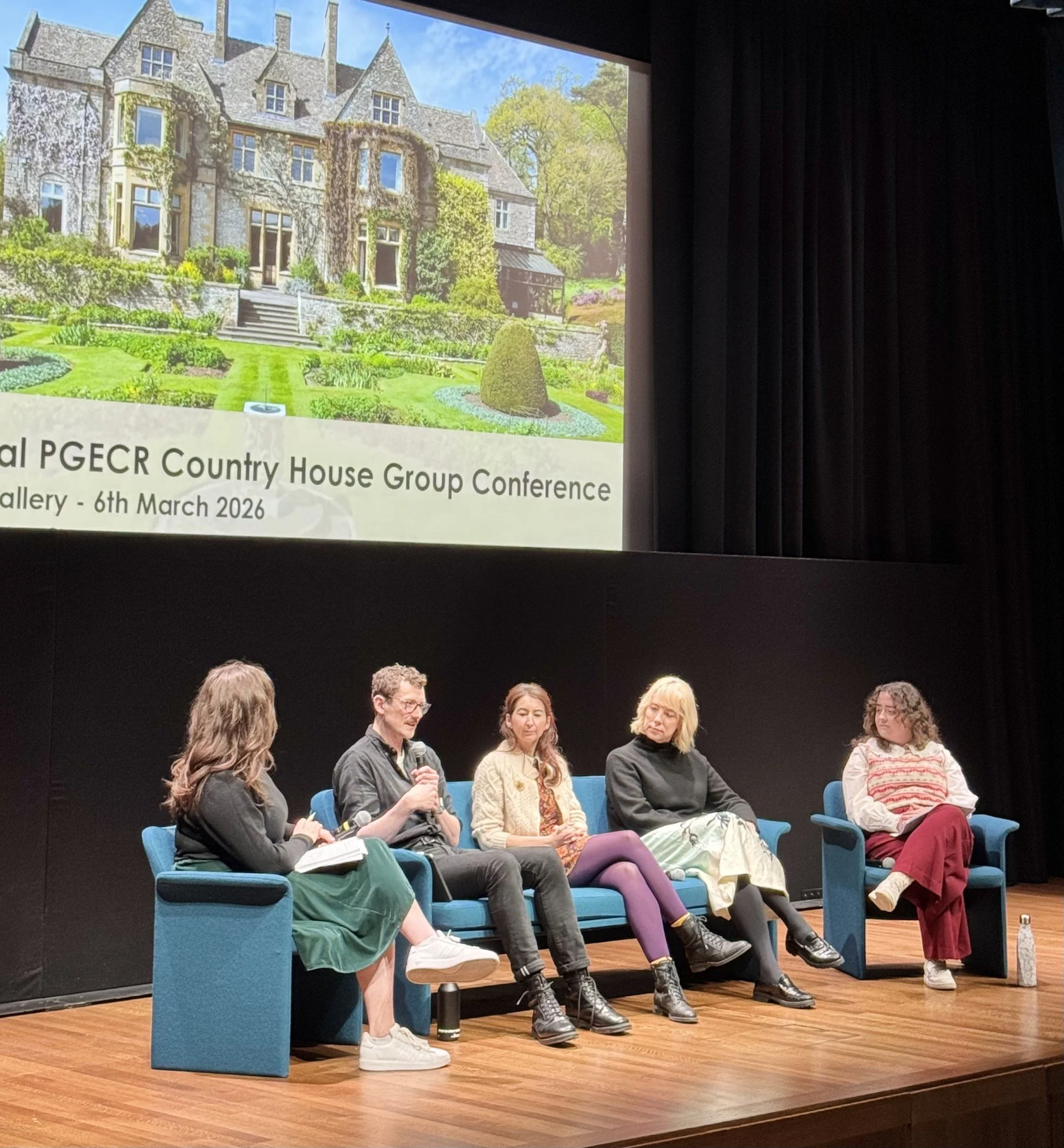
Our first panel was Art and The Country House, with papers on art history, curating, and the history of collecting in relation to country houses. There was insight into how paintings can be used to read new histories of country houses and their inhabitants, as well as suggestions for how country houses open to the public can provide alternative art historical narratives. Next we had a panel about the decline of the country house and how some people made use of or reacted to shifting social structures and the role of the country house. We learnt about country houses becoming hotels, new perspectives on governesses and female philanthropists, and community theatre in relation to social class and status.
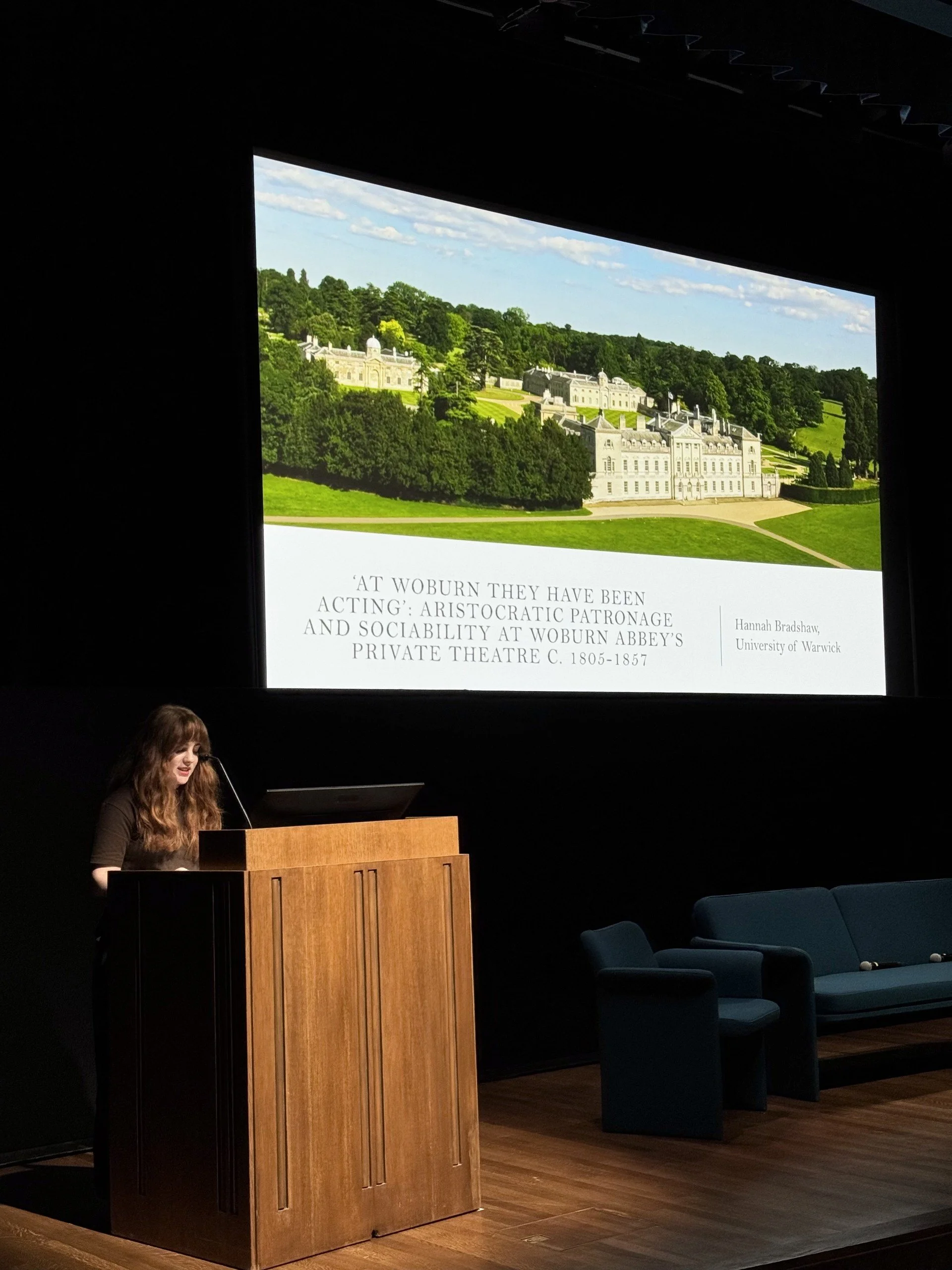
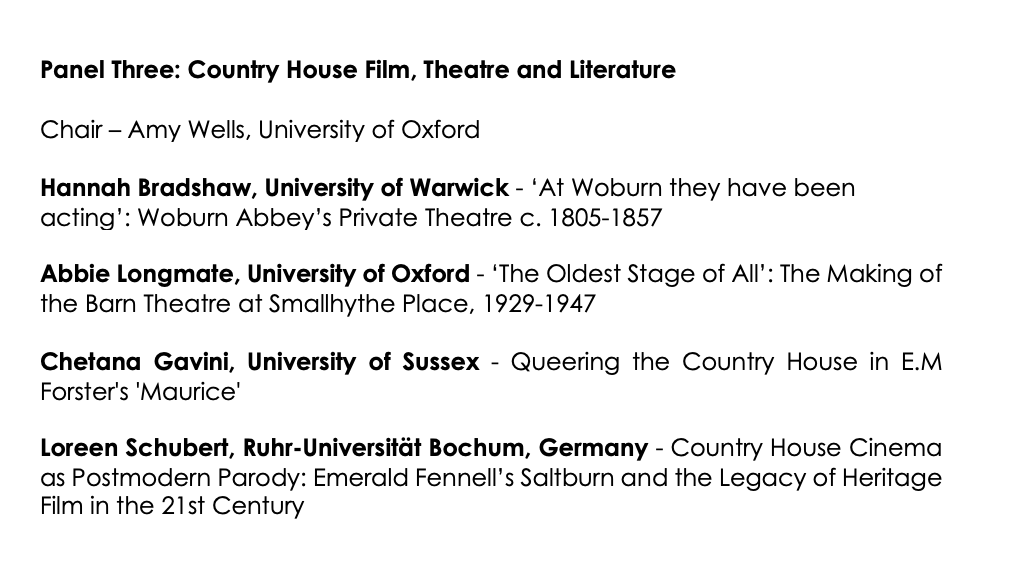
Hannah Bradshaw from Warwick University speaking about private theatricals at Woburn Abbey.
Our third panel was on theatre, film and literature - a heady mixture of the history of theatrical performance in country houses, heritage film, E.M. Forster and Saltburn. Understanding how performance operated at county houses, and how the country house is represented in literature and on screen gave us all such an interesting insight into the performativity of country houses and the ways in which those who lived in them dramatised them or have been dramatised.
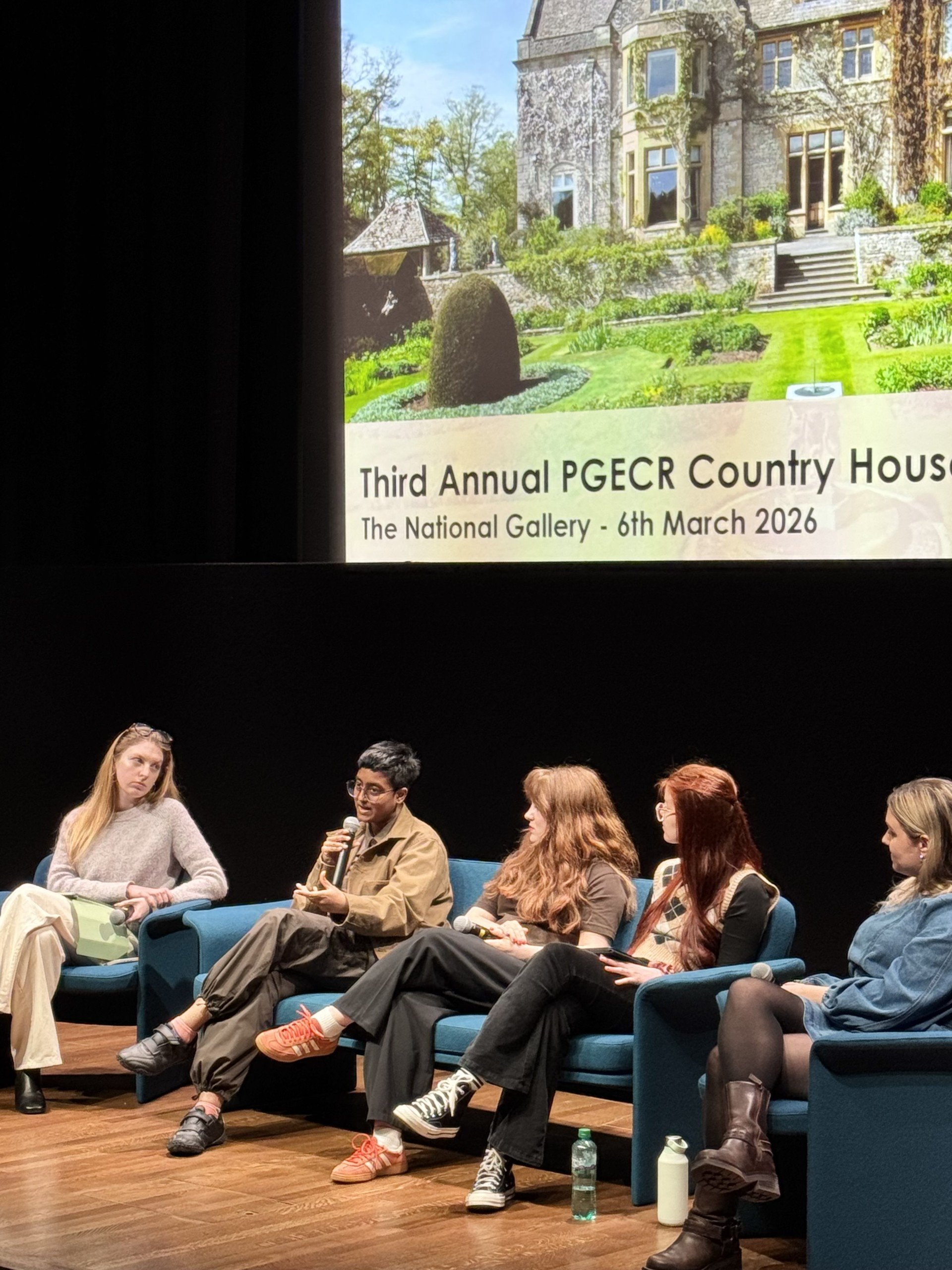
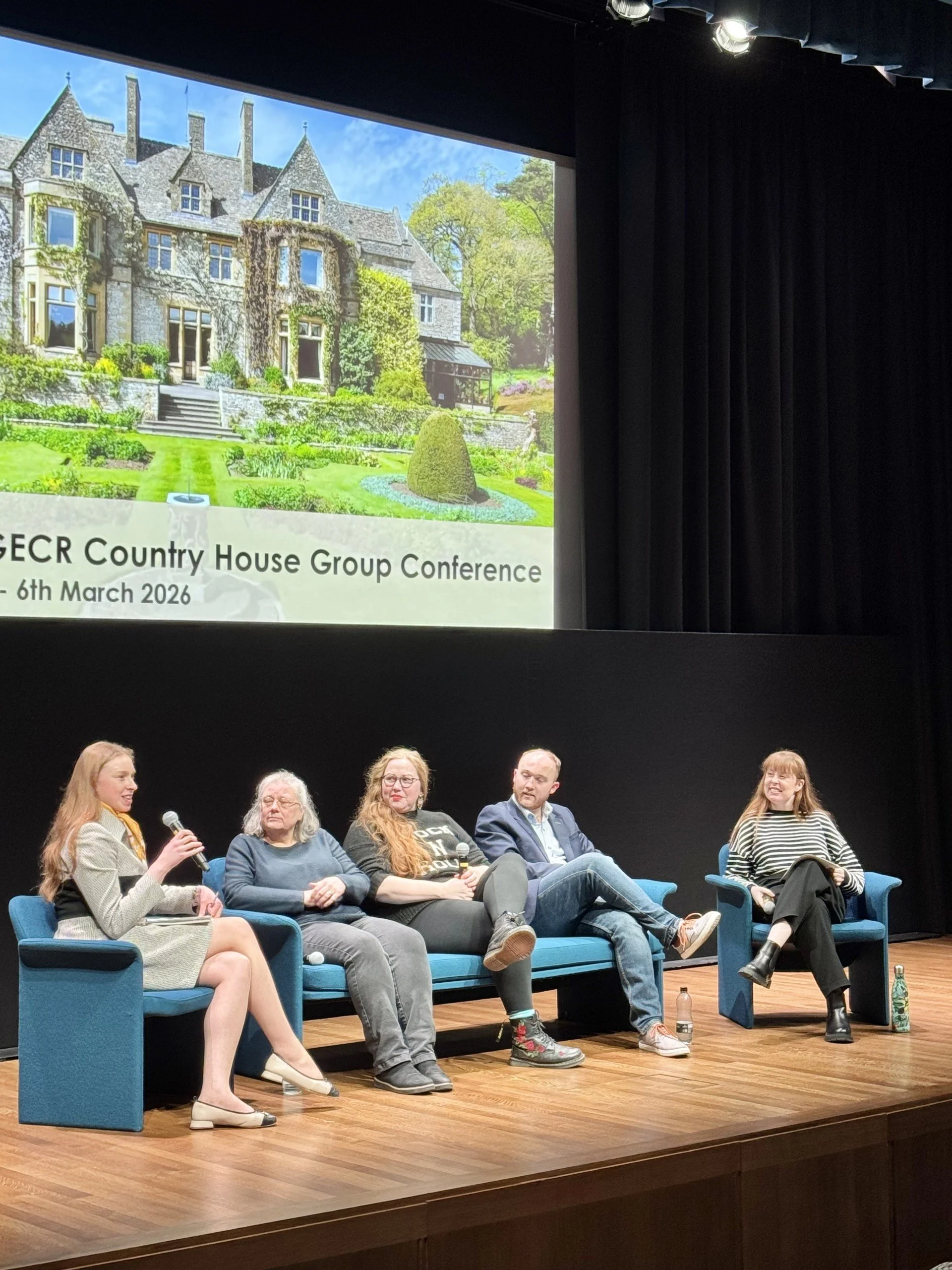
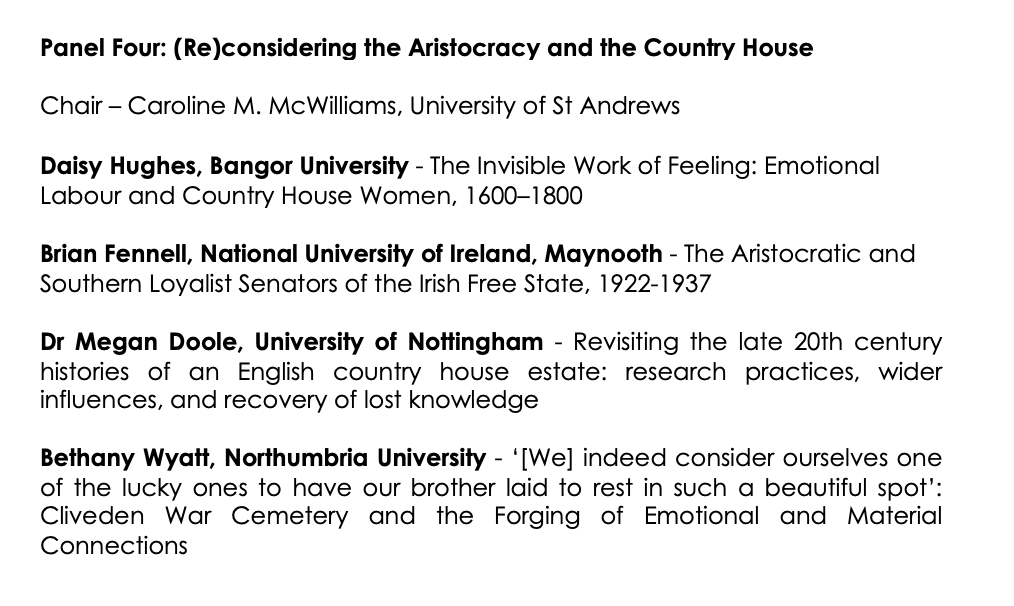
The final panel of the day was about reconsidering the aristocracy and their experiences surrounding the country house to provide new insights and narratives. This was so fascinating as it covered a range of historical periods and spaces, and also houses in different nations - England, Wales and Ireland. We heard about the recovery of lost knowledge when researching specific houses, the aristocracy in Ireland, the emotional labour of women in the early modern country house researched through letters and other methods, and how a war memorial space at a country house offers new insight into the ways in which the aristocracy operated.
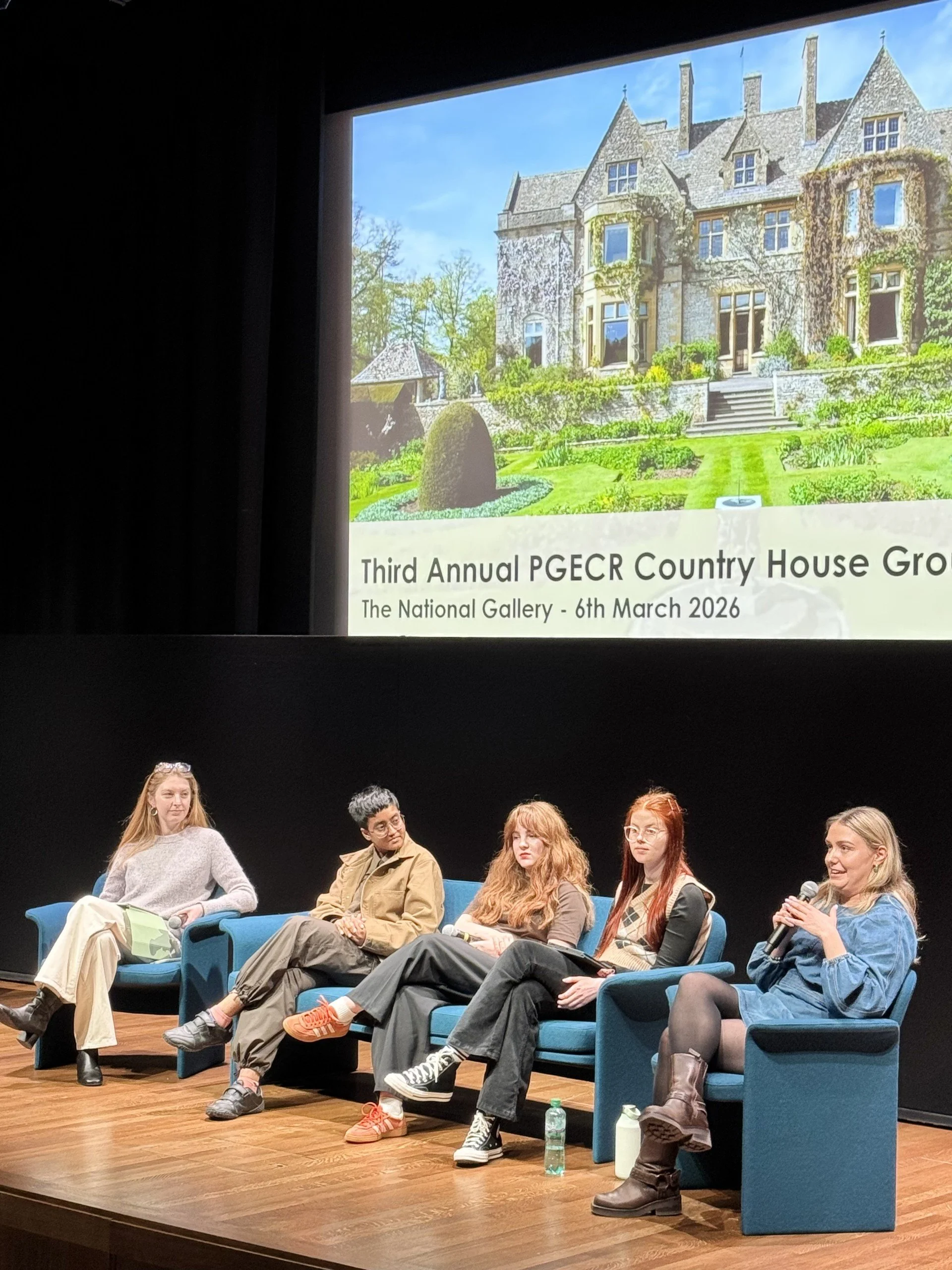
A great part the day was the Q&As we had after each panel. Speakers were asked some really thoughtful questions from the audience and it created discussions that continued in the breaks. Each speaker had such a unique perspective on how to investigate and consider country houses.
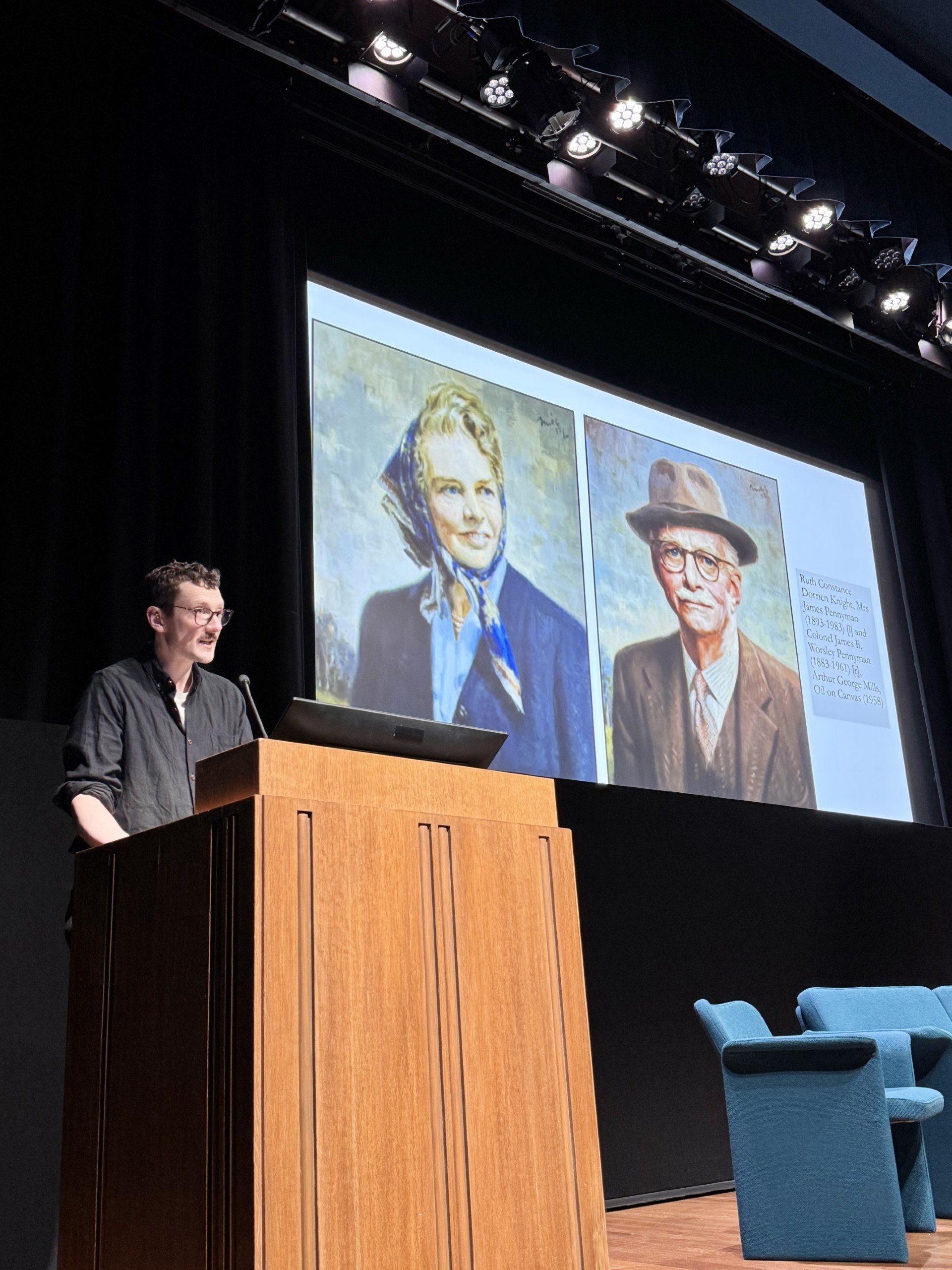
Ben Anderson from Cambridge University speaking about the Pennymans and theatre at Ormesby Hall.
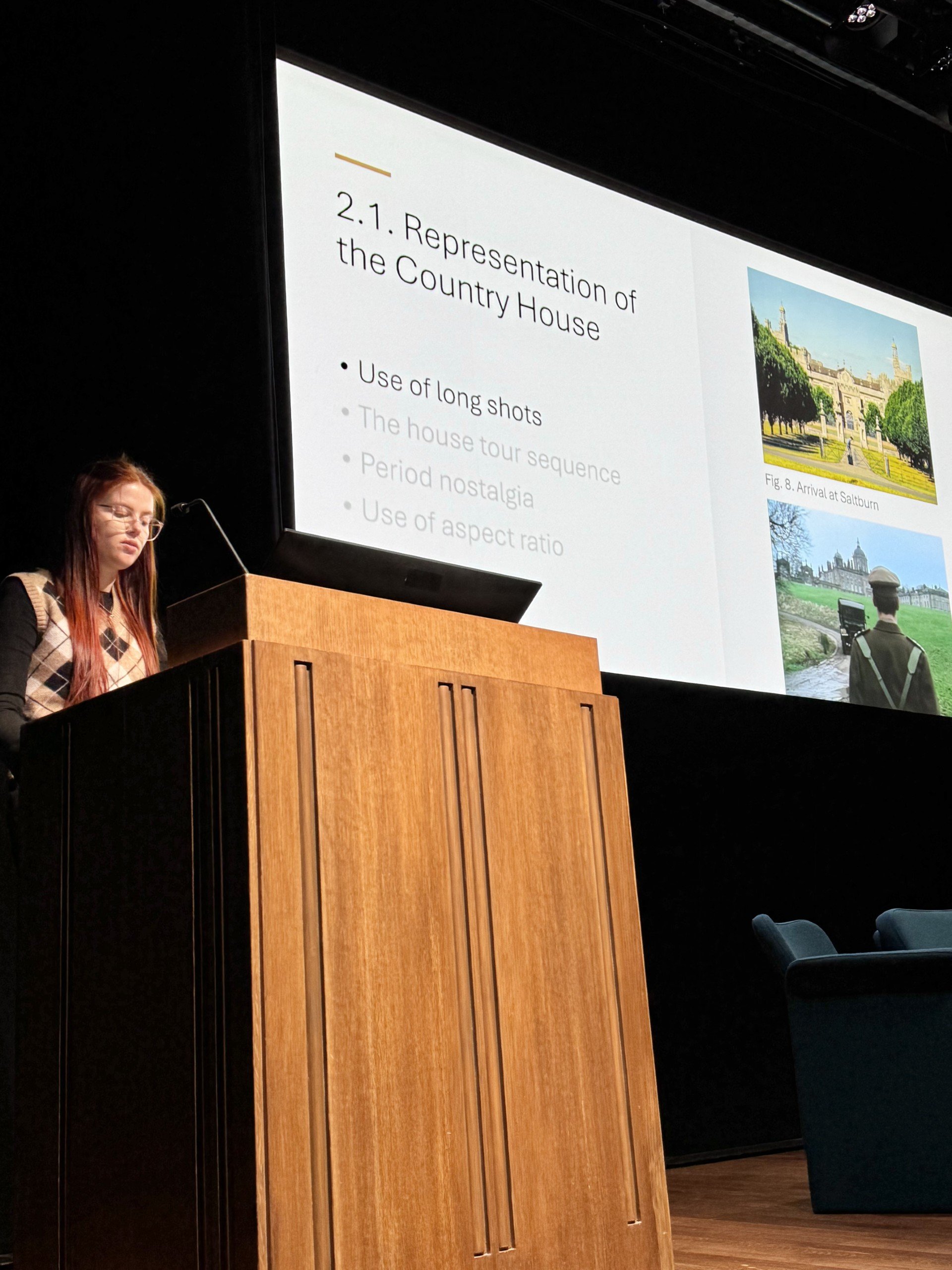
Loreen Schubert from Ruhr-Universitat Bochum in Germany on Saltburn and the legacy of heritage film.
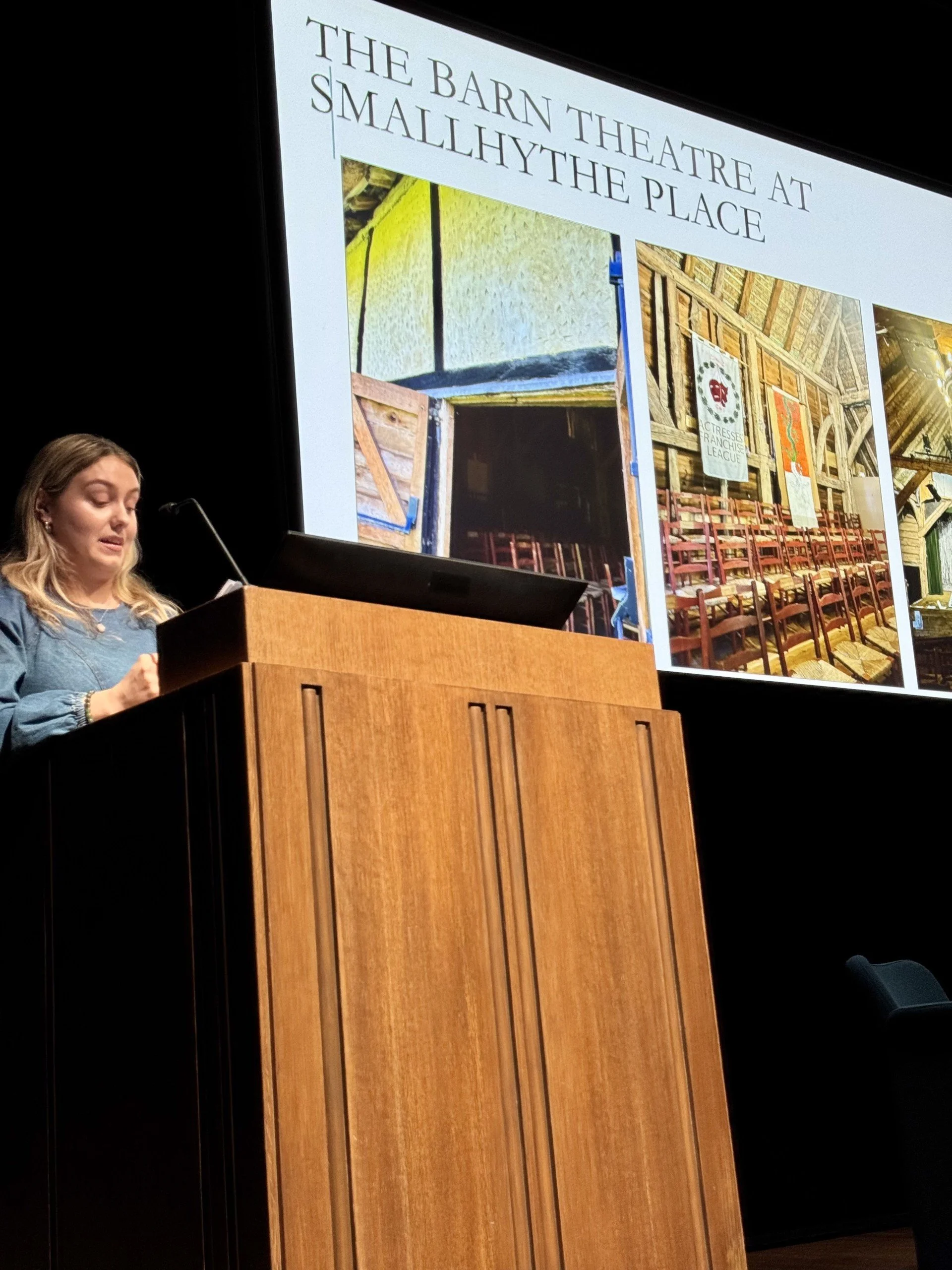
Abbie Longmate from Oxford University speaking about Smallhythe Place’s barn theatre.
It had been incredibly hard to choose the speakers this year, there had been enough submissions for two days of panels. Most of the speakers were current PhD students, but there were also two MA students. It is fascinating to see how many people are currently doing MA or PhD work on the British country house and in such a range of topics, and this year we also had two ECRs who had recently finished their PhDs and were working in historic houses.
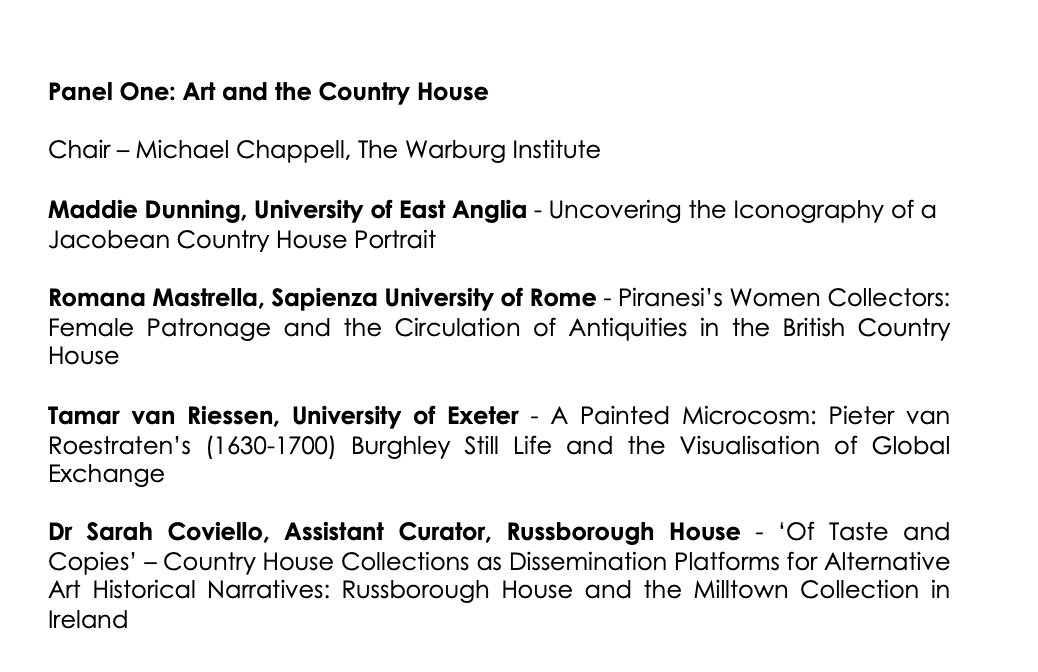
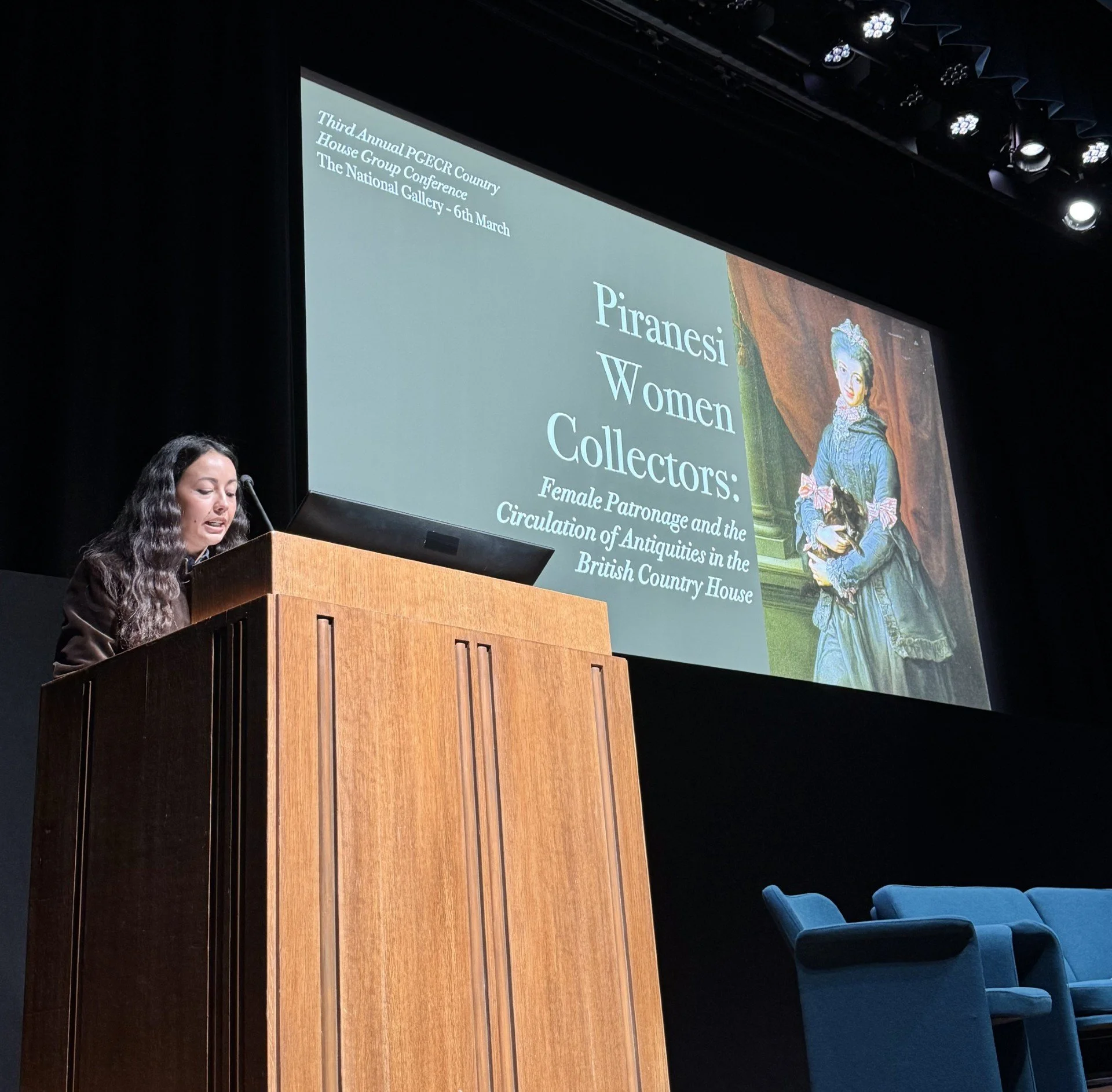
Romana Mastrella from Sapienza University of Rome came to speak about female art collectors from British country houses buying works in Italy.
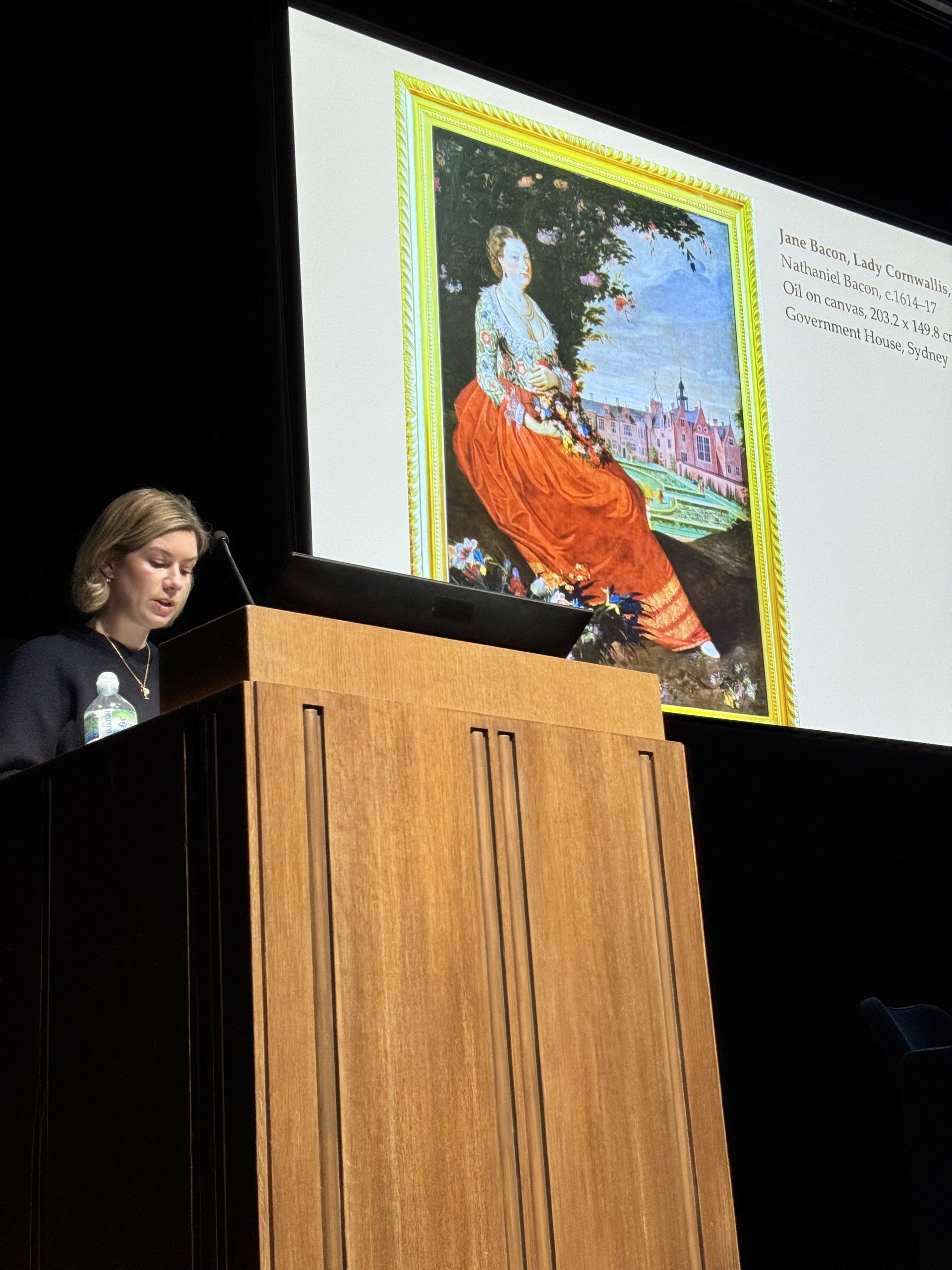
Maddie Dunning from The University of East Anglia spoke about her MA research on Jacobean portraits as a way to uncover country house history.
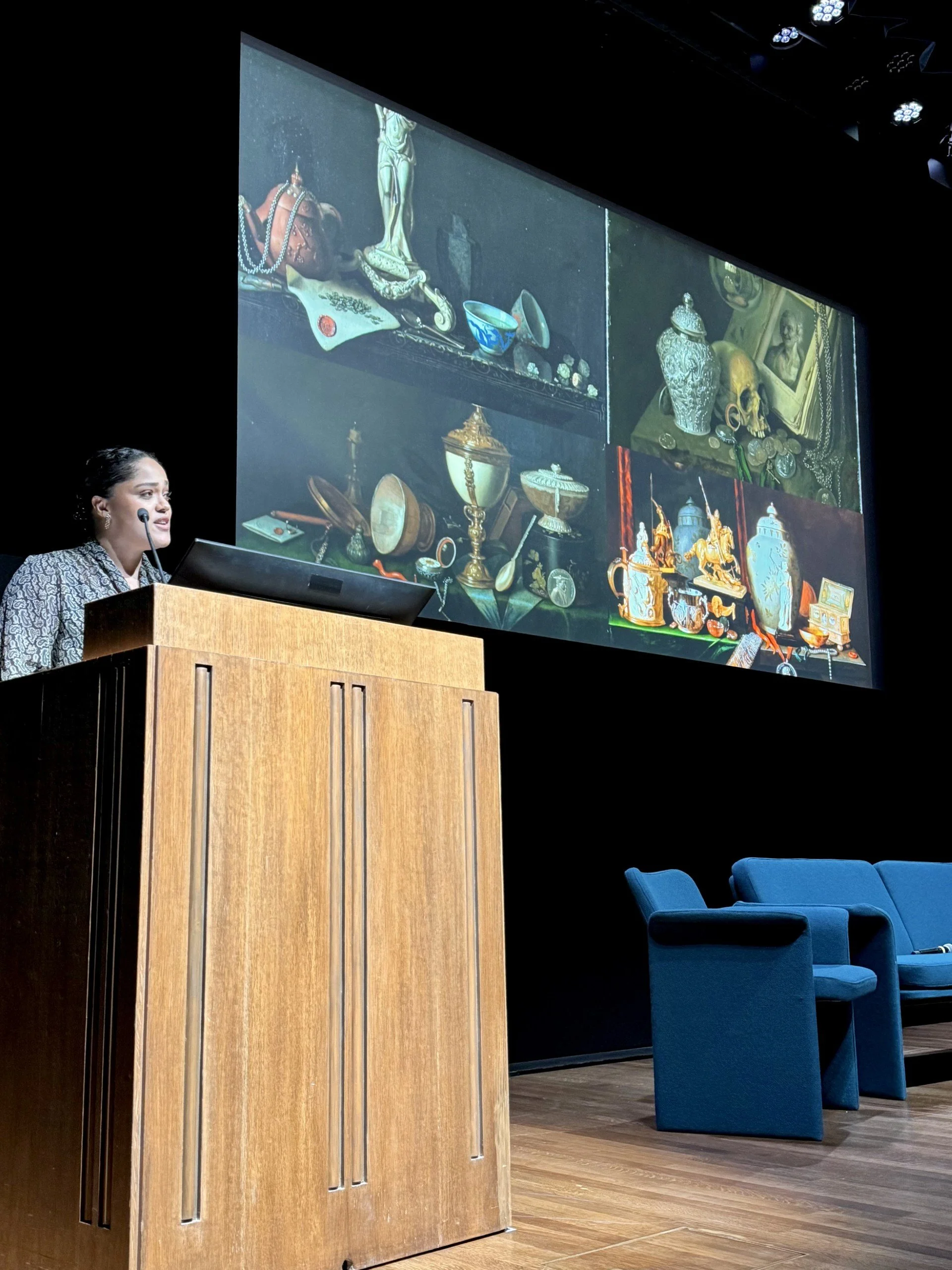
Tamar van Riessen of Exeter University giving her paper on Pieter van Roestraten’s art as indicator of global trade and ambition in the seventeenth century.
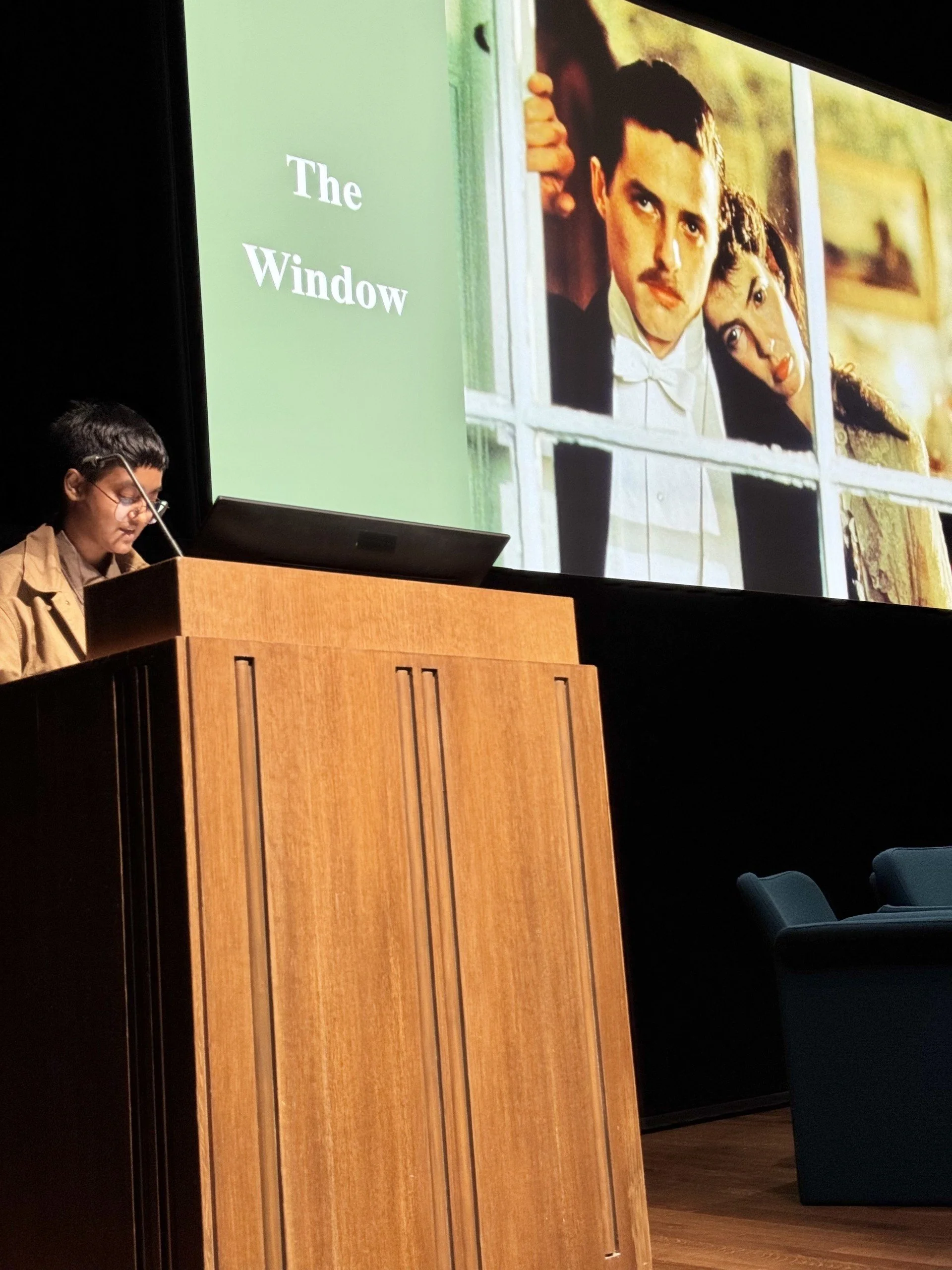
Chetana Gavini from Sussex University spoke about the country house space in E.M Forster’s Maurice as both literary and film text.
The National Gallery is showing its commitment to working with established and emerging scholars with their new research department, which will also eventually include new spaces to meet and present in. This is great news for those looking at art, curating and collecting in relation to country houses, many of whom already find The National Gallery’s extensive archive an incredibly useful resource. It has been fantastic for our group to form this partnership with the research department, and hopefully the conference created some useful connections for attendees.
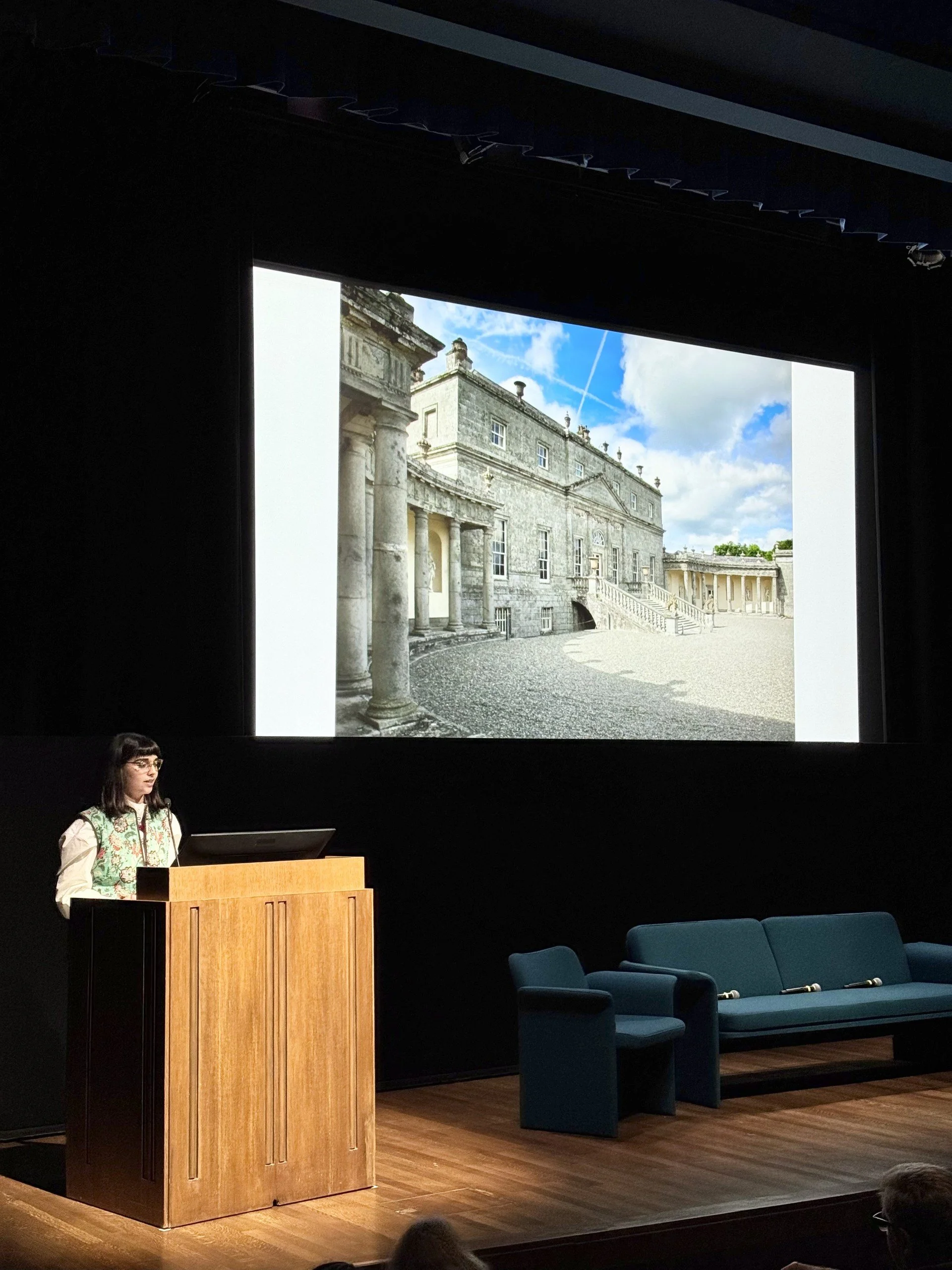
Dr Sarah Coviello gave a paper about presenting country house art collections to the public, focusing on Russborough House in Ireland where she currently works.
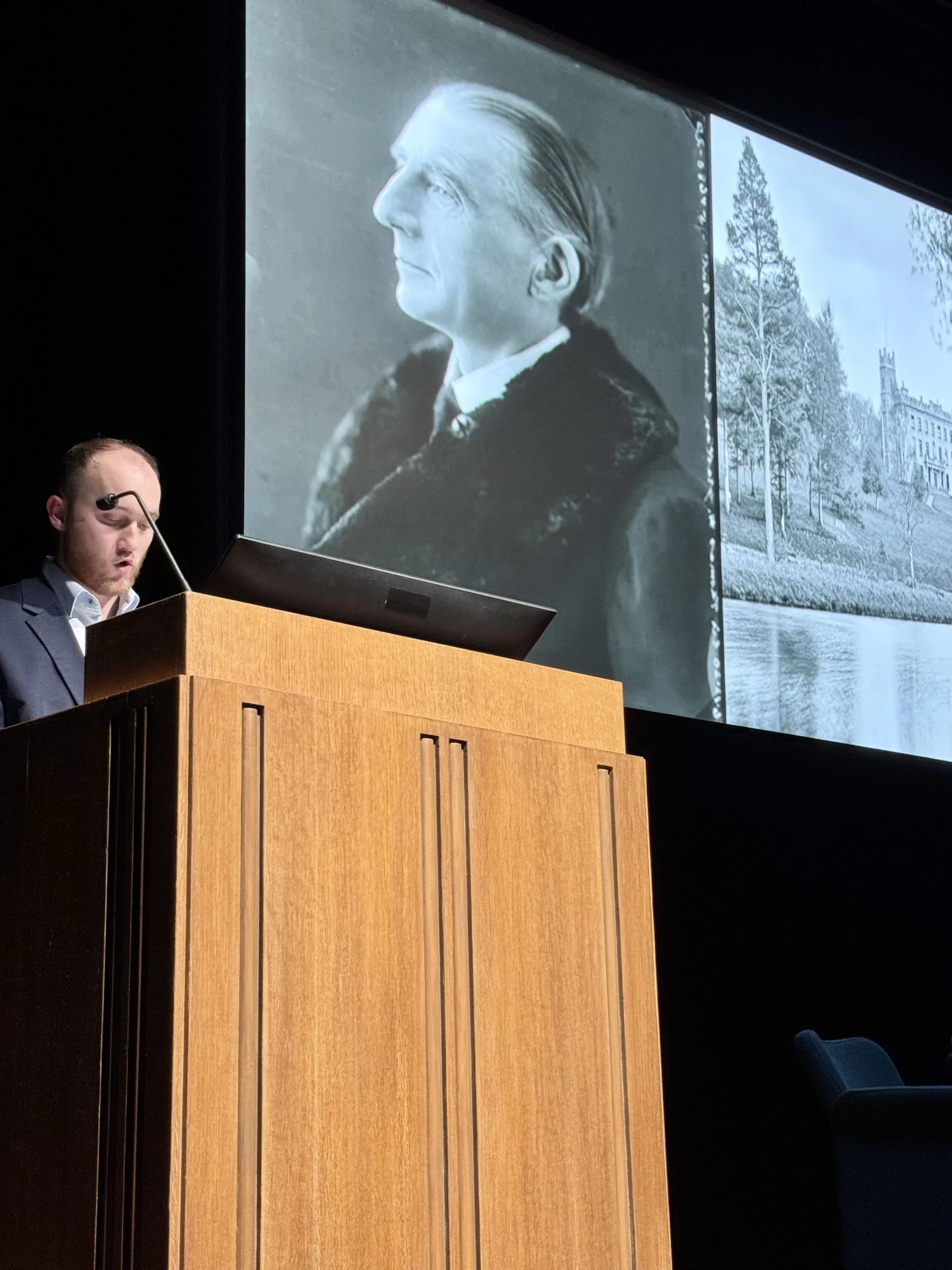
Brian Fennell from Maynooth University in Ireland spoke about the aristocratic and loyalist senators of the Irish free state in 1922-1937.
What a lot of people fed back from the day was that there was such diversity of perspectives on the country house from such a range of historical periods, and that this day facilitated a lot of discussion on methodologies, narratives and insights into the British (and Irish) country house. Looking forward to the fourth annual conference next year already!