Snowshill Manor and Garden: an Inclusive Heritage Site
Fiona Crouch completed her PhD at Northumbria University in 2025. She studied History at Edinburgh University before serving as an army officer in the Royal Signals. Volunteering with disadvantaged children inspired a return to university and, in 2019, she graduated from Northumbria University’s Creative and Cultural Industries Management MA course with Distinction. Her doctoral research, based at the National Trust’s Snowshill Manor and Garden in Gloucestershire, explored the themes of heritage, neurodiversity, identity, and connection. She currently works as a Sixth Form academic mentor. More details of Fiona’s work can be found here and she can be contacted here.
Snowshill Manor’s uniqueness and timelessness is often commented on by visitors. Standout attributes include its extensive and eclectic collection of over 22,000 handmade objects and costumes, the minimal labelling of the site and its collection, and theatricality of the manor house and garden rooms. Snowshill’s creator was Charles Paget Wade - a multipotentialite artist-crafter-architect-designer-poet - who is popularly described as eccentric. He bought Snowshill post-World War One, and it became his life’s achievement as he restored the property so that it became his retreat from the modern world (Wade eschewed modern features such as electricity; for example, he only used candles or oil for lighting until he gifted Snowshill to the National Trust in the 1950s).
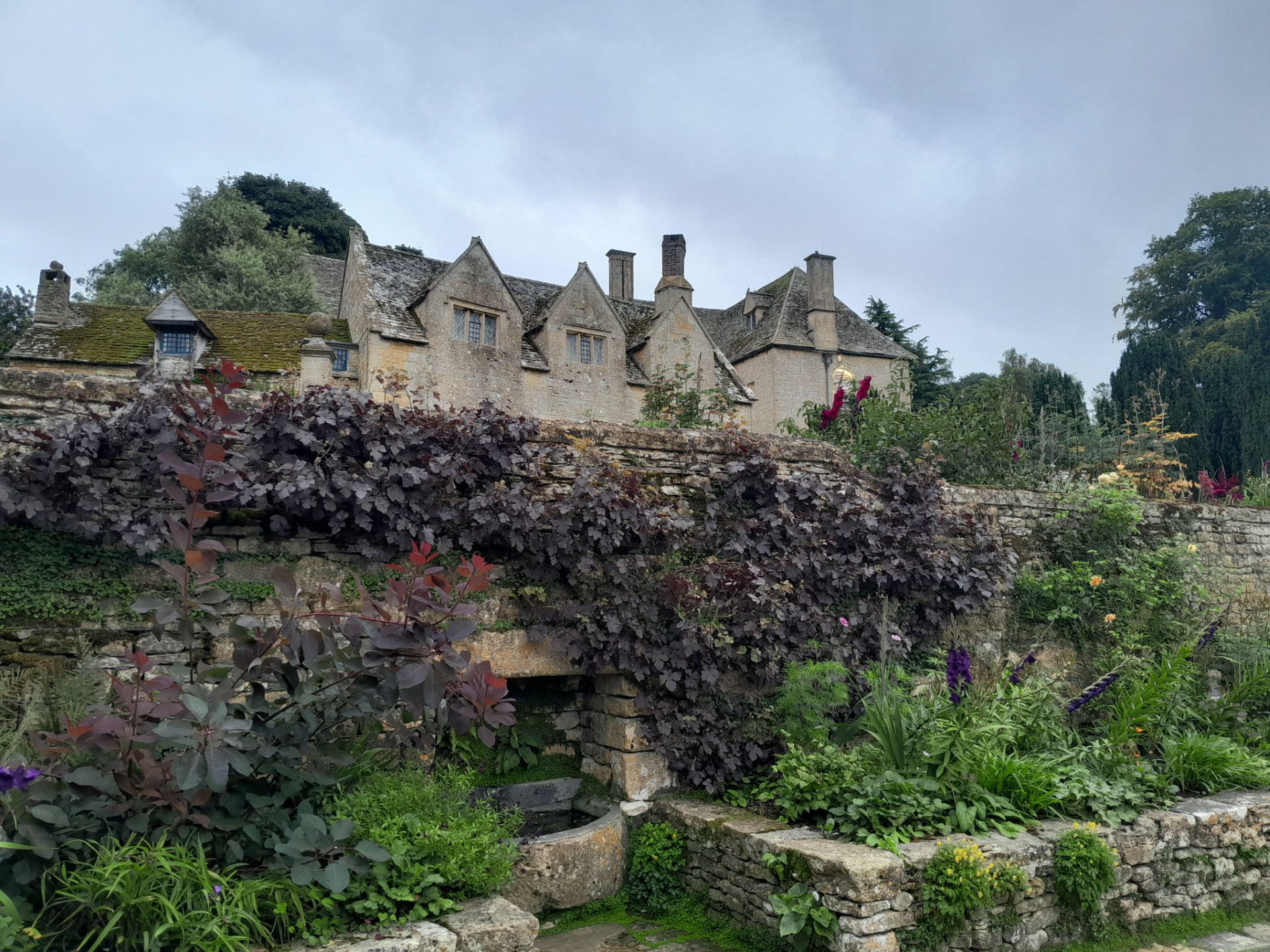
My first visit to Snowshill inspired my doctoral studies. Usually my husband and son struggle to connect with heritage properties; they find them boring. Yet, Snowshill’s minimal labelling provoked their imagination and they engaged with objects from the collection. At the time, I was working as a teaching assistant supporting students with special educational needs. Insights into the lived experiences of these young people made me wonder if Snowshill appeals sensorially to neurodiverse individuals: this question formed the nub of my research.
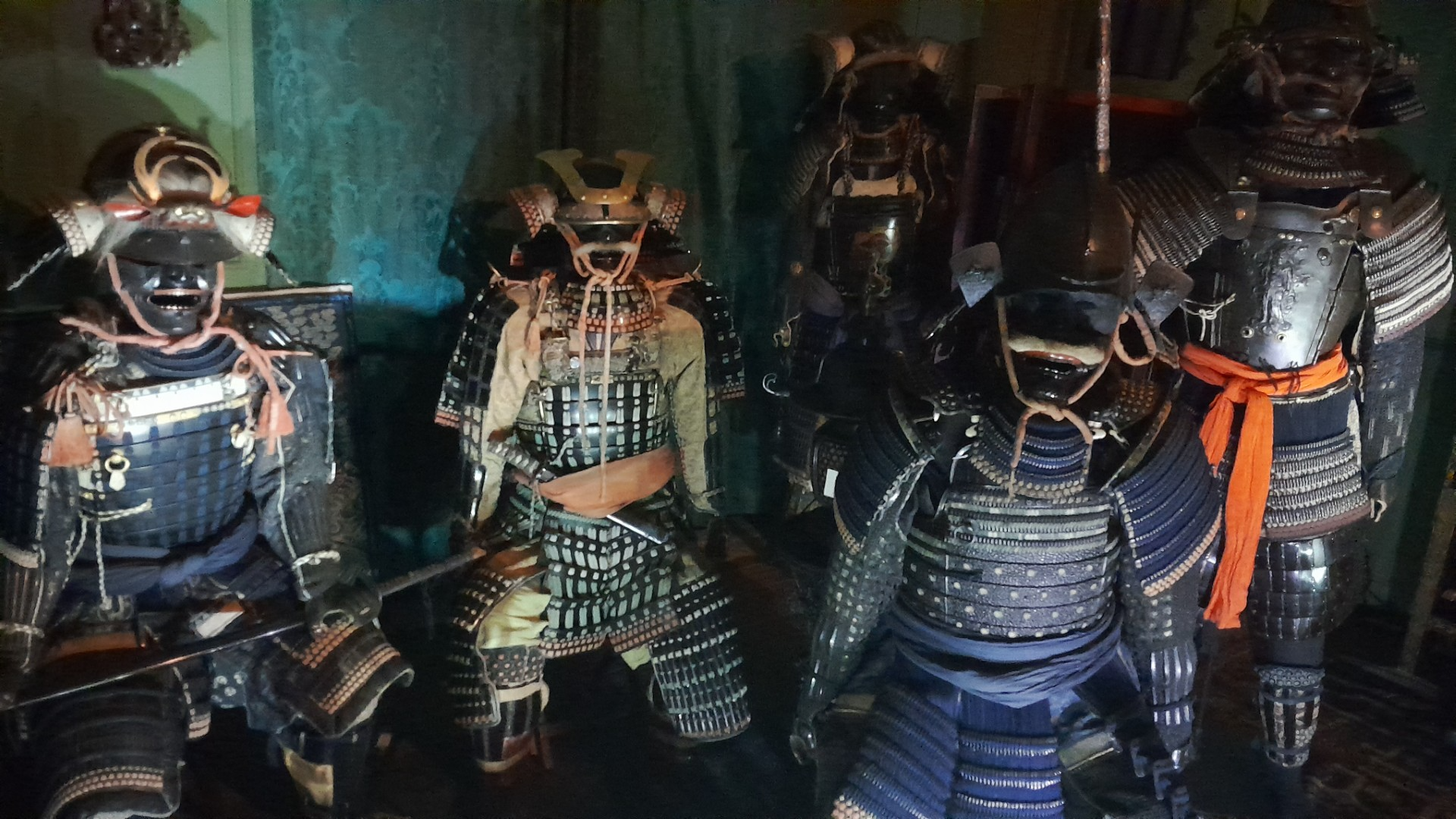
Before my research activities began, I predicted that collaborators with dyslexia would connect most readily with the site (the lack of labelling meaning that they engage with the collection unhindered by needing to access details on information panels). I didn’t anticipate how the Snowshill would resonate with collaborators with other forms of neurodiversity, especially those with ADHD. The darkness of the manor house rooms coalesced with the site’s performativity to create an atmosphere that stimulated their curiosity, and many of the collaborators spontaneously created stories during research visits based on Snowshill’s objects and spaces.
Both neurodiverse and neurotypical collaborators were able to access the collection equally, on their own terms; this was a new, highly positive experience. Interestingly, they also identified with Wade and his creativity, stating that they felt that he was also neurodivergent. This belief reinforced their strong and positive connection with the site. However, while all collaborators really enjoyed their visit to Snowshill, some visitors with autism struggled with the relative darkness of some of the rooms as it inhibited their preference for looking at the detail of objects. It seems that visitor responses to heritage sites might be dictated by their personal sensory preferences. Finding ways to scaffold the needs of all visitors is an ongoing challenge for all heritage sites. Perhaps as heritage sites consider ways to appeal to and support the needs of today’s audiences, they might be best served to look to solutions from the past.