Why Independent Country Houses Matter
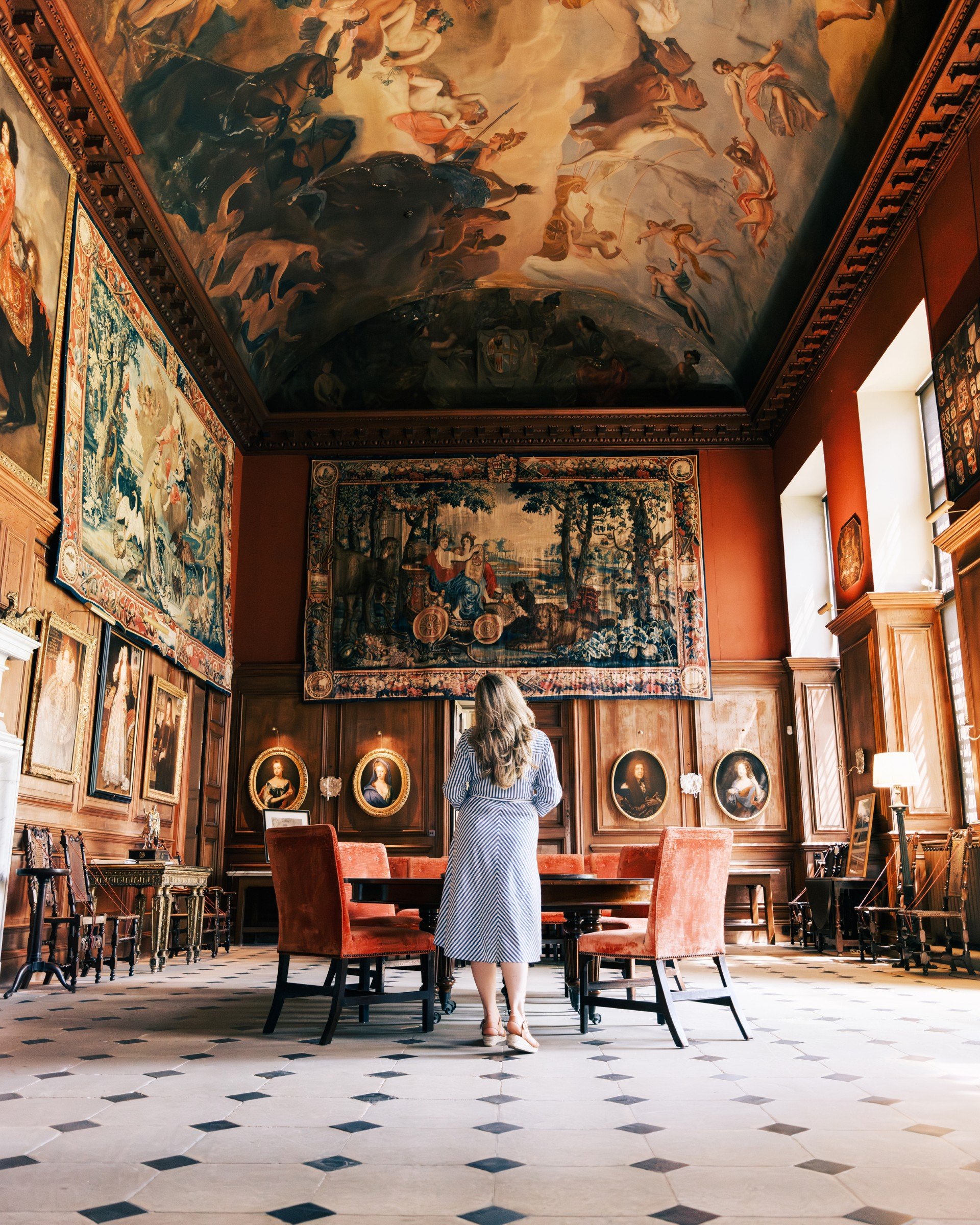
When most people think of visiting a historic house in Britain, they think of the familiar names: the National Trust and English Heritage circuit, and the heritage behemoths that appear in every school trip itinerary. These places matter enormously, and the organisations that care for them do vital work.
But they're not the whole story… not even close.
Beneath the surface of Britain's heritage landscape lies a parallel world: hundreds of independently owned historic houses, castles, and estates, many of them still in the hands of the families who built them centuries ao. These are places that have never been managed for mass tourism, never had their rough edges smoothed out for the visitor experience, never been curated into a version of themselves that's easier to explain. They are, in many ways, the most authentically alive historic houses in Britain - and most people have no idea they exist, let alone how to get inside them.
Alive in a Way the Others Aren't
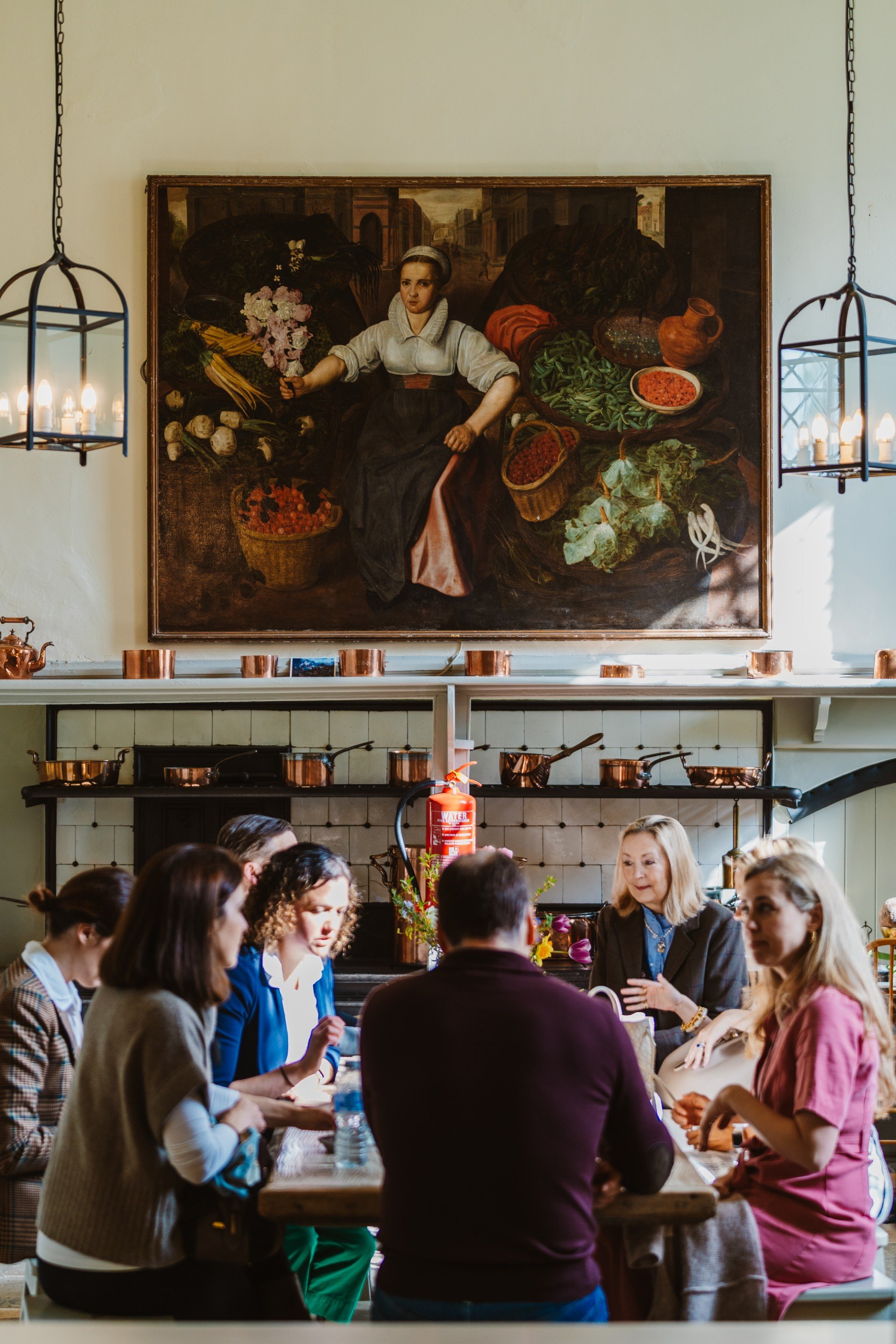
There's a particular quality to a house that is still lived in. You feel it the moment you arrive. The furniture isn't always roped off. The smell is of woodsmoke and old books. The portraits on the walls are of actual ancestors, not a curated selection chosen for historical significance. The kitchen garden is still producing vegetables. The estate still has tenants.
This is what the independent sector offers that no amount of careful preservation elsewhere can replicate: continuity. These houses haven't been frozen at a particular moment in history for posterity - they've kept moving, kept changing, kept being used. That living quality is precisely what makes them so extraordinary to encounter.
The big institutions do something essential: they save buildings that would otherwise be lost, and they open them to millions of people who might never otherwise encounter historic architecture. But in the process of saving and opening, something subtle is sometimes lost - the sense that the house is - or once was - a home, that it belonged to a particular family and a particular landscape, that its history is still being written.
At independently owned houses, that sense is entirely intact.
Where the Surprises Are
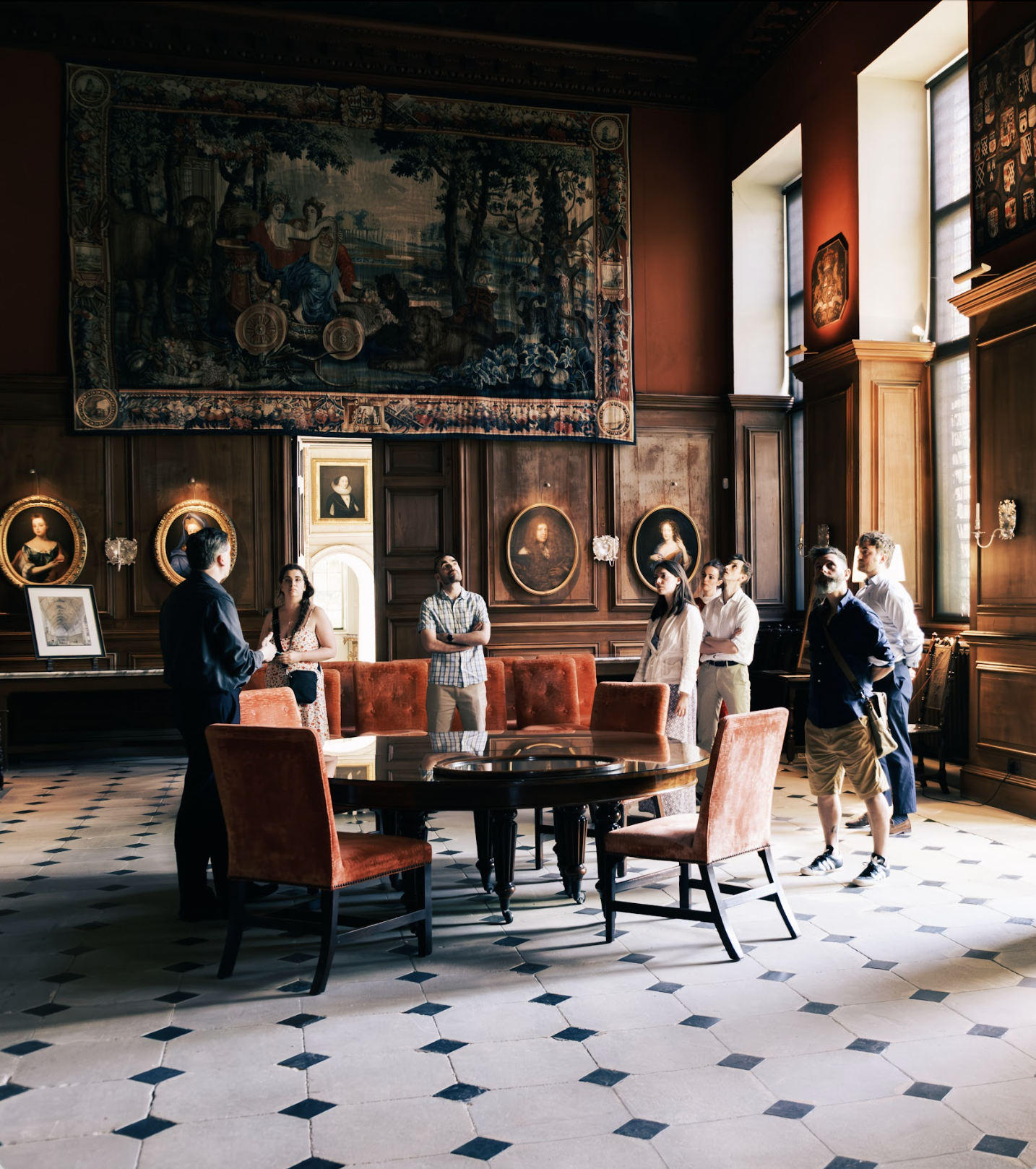
If you've ever had the experience of visiting a lesser-known historic house - one without the queues and the audio guides and the gift shop - you'll know that these places have a habit of producing unexpected moments. A room that hasn't been touched in decades. A library with books that haven't been catalogued. A walled garden that's been continuously cultivated since the 17th century. A family who can tell you exactly what happened in this room during the war.
The independent sector is where the surprises still live. These are houses with stories that haven't been fully told, collections that haven't been fully studied, landscapes that haven't been fully understood. For anyone who cares about British history and culture - not just as a series of official narratives but as something textured, complicated, and ongoing - this is where things get interesting.
It's also, frankly, where some of the most beautiful places in Britain are quietly sitting, waiting to be discovered. Without the footfall of major visitor attractions, many independent estates have retained an atmosphere that's almost impossible to find elsewhere: genuine tranquility, genuine wildness in some cases, and the particular beauty of a landscape that's been loved rather than managed.
The Stakes Are Real
Independent historic houses don't have the financial safety net of large institutions. They survive through a combination of family commitment, earned income, and - increasingly - the support of people who genuinely value what they offer. Many of the families who own these houses are deeply invested in their histories and genuinely open to sharing them; what they often lack is the infrastructure to make that sharing easy.
This is where engagement matters. Every visit to an independent historic house, every stay in an estate cottage, every ticket bought for an event in a privately owned great hall is a small act of support for a sector that sustains some of Britain's most irreplaceable places. The independent sector doesn't ask for much - but it does need people to show up
A Different Kind of Membership
HeritageXplore was built around a simple conviction: that the best of British heritage isn't always the most visible - and that the people who love these places deserve a way in.
HeritageXplore Club exists for those who want to go deeper. Not just to visit, but to stay, to explore, to really experience. To arrive somewhere extraordinary and wander grounds that haven't changed in centuries. To dine in a room that was meant to be dined in, and sleep beneath beams that have been standing for four hundred years. To turn up on a Tuesday afternoon and have the place almost entirely to yourself. To attend an evening where the person telling you the history of the house is the person whose family built it.
These are the experiences the standard guidebooks can't give you. They're also the experiences that tend to stay with you - the ones you find yourself describing to people months later, the ones that quietly shift how you think about Britain and the places that make it.
For £20 a year, HeritageXplore Club membership opens the door to a growing collection of independently owned houses, estates, and castles - brought together not because they're the most famous, but because they're the most alive. Members receive a monthly curated collection of stays, events, and partner privileges, with priority access and member pricing throughout.
But beyond the practicalities, there's a longer purpose here. Independent historic houses don't sustain themselves. The families who keep them going do so out of commitment to something they believe matters - and every person who engages with the independent sector, who visits, who stays, who shows up, is part of the reason these places survive. HeritageXplore Club is a way of making that engagement easy, regular, and genuinely rewarding.
Because the hidden heart of British heritage is worth finding. And it's worth keeping.
Join HeritageXplore Club at https://www.heritagexplore.com/