Fiona Crouch completed her PhD at Northumbria University in 2025. She studied History at Edinburgh University before serving as an army officer in the Royal Signals. Volunteering with disadvantaged children inspired a return to university and, in 2019, she graduated from Northumbria University’s Creative and Cultural Industries Management MA course with Distinction. Her doctoral research, based at the National Trust’s Snowshill Manor and Garden in Gloucestershire, explored the themes of heritage, neurodiversity, identity, and connection. She currently works as a Sixth Form academic mentor. More details of Fiona’s work can be found here and she can be contacted here.
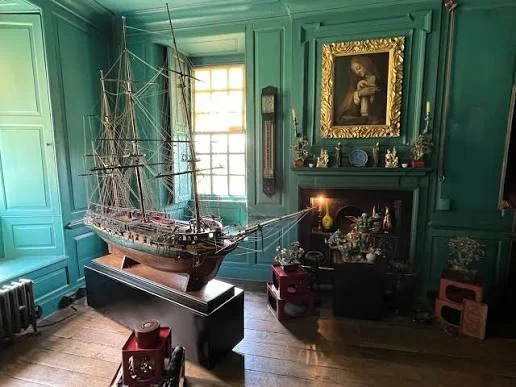
Photo by Carole Matthews
Charles Paget Wade, the creator of Snowshill Manor and Garden, intended that the property and its collection were to form a site that visitors engaged with using their curiosity and imagination. Rooms in the manor house, annex (known as the Priest’s House), and gardens were presented theatrically; for example, through his use of colour, light and darkness. His extensive collection, consisting of over 22,000 objects and costumes, performs for visitors. Objects were not labelled by Wade; a feature that the National Trust continues to honour today (except for one slave manacle that is displayed in the ‘Admiral’ room and has been labelled by The National Trust to acknowledge the links between colonial slavery and historic properties).
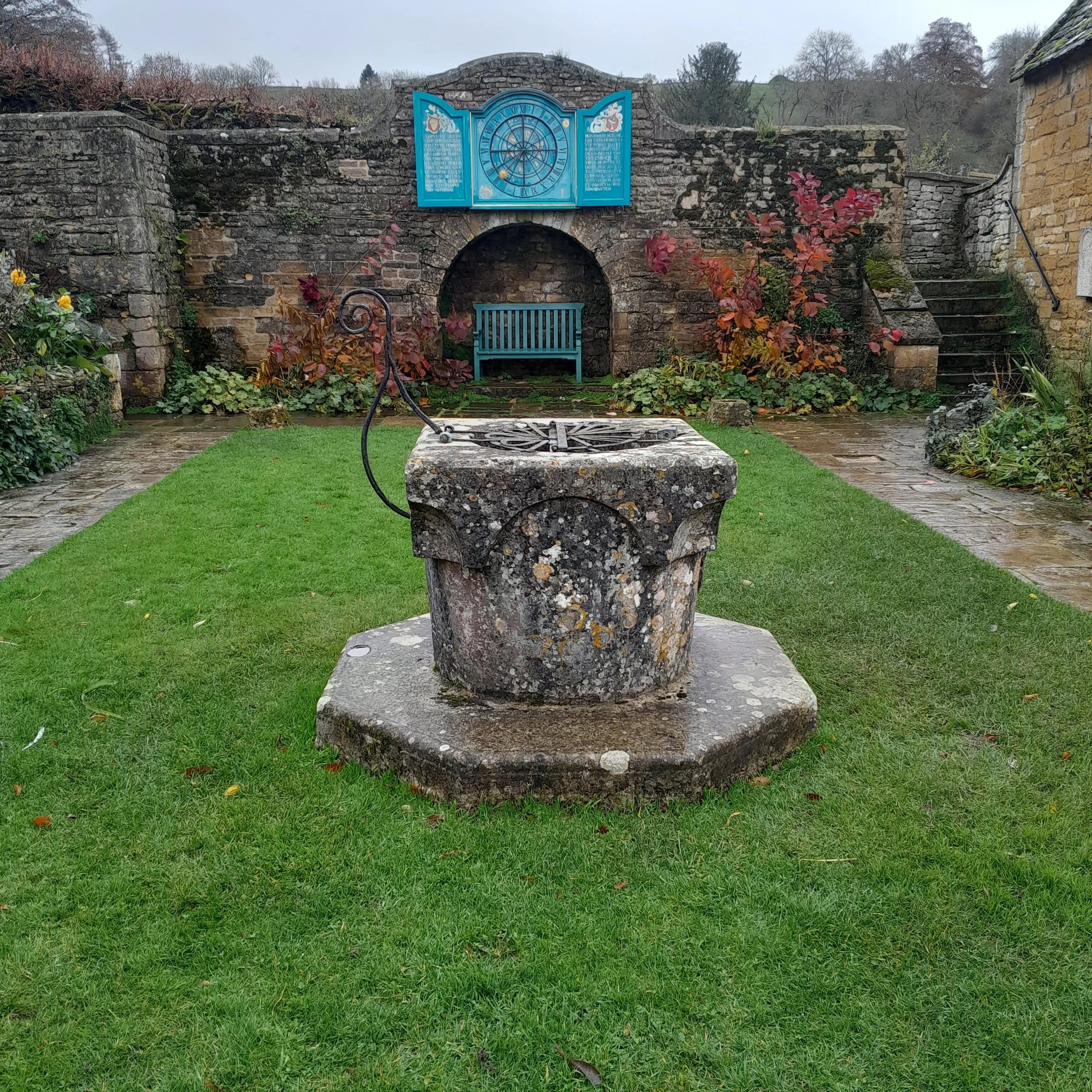
During the research visits that underpinned my doctoral research, collaborators commented that this was a quality they found particularly appealing as it facilitated their connection with the site. All my collaborators were neurodiverse and the freedom provided by the minimal labelling resonated strongly. They are used to living in environments that are dominated by neurotypical sensory experiences, not needing to read labels to access the property and its collection was liberating; their creativity could flourish throughout their visits. Collaborators were empowered: it encouraged them to develop their own narratives attached to the property and specific objects. For one, this water feature in one of the garden rooms (below) was a giant’s tea cup. Another created a story about exploration and naval adventure based on a dagger. However, there were times when there were tensions between collaborators and members of the Snowshill team.
The pirate ship argument embodies these tensions. In the ‘Turquoise’ room there is a model of HMS Romulus, an eighteenth-century 42 gun frigate. Several collaborators connected with this object; with one (at the time a twelve year old child) adamant that it was a pirate ship. The room steward was keen to correct him and share historically accurate facts about both the original ship and the model. In my research notes, I commented that the room steward ‘doesn’t realise that the imagined reasons are more real and powerful to the collaborator’ who wanted to create a narrative based on the object’s potential. I have often replayed this conversation, wondering if the room steward’s insistence lessened the charm and value of the model for the collaborator, and what the wider impact of this was? Without doubt, I believe that this was a missed opportunity – I believe all visitors should be able to experience sites on their own terms. As heritage sites endeavour to grow new audiences and deliver impactful visitor experiences, what is most important in engagements and interactions - accuracy or impact?